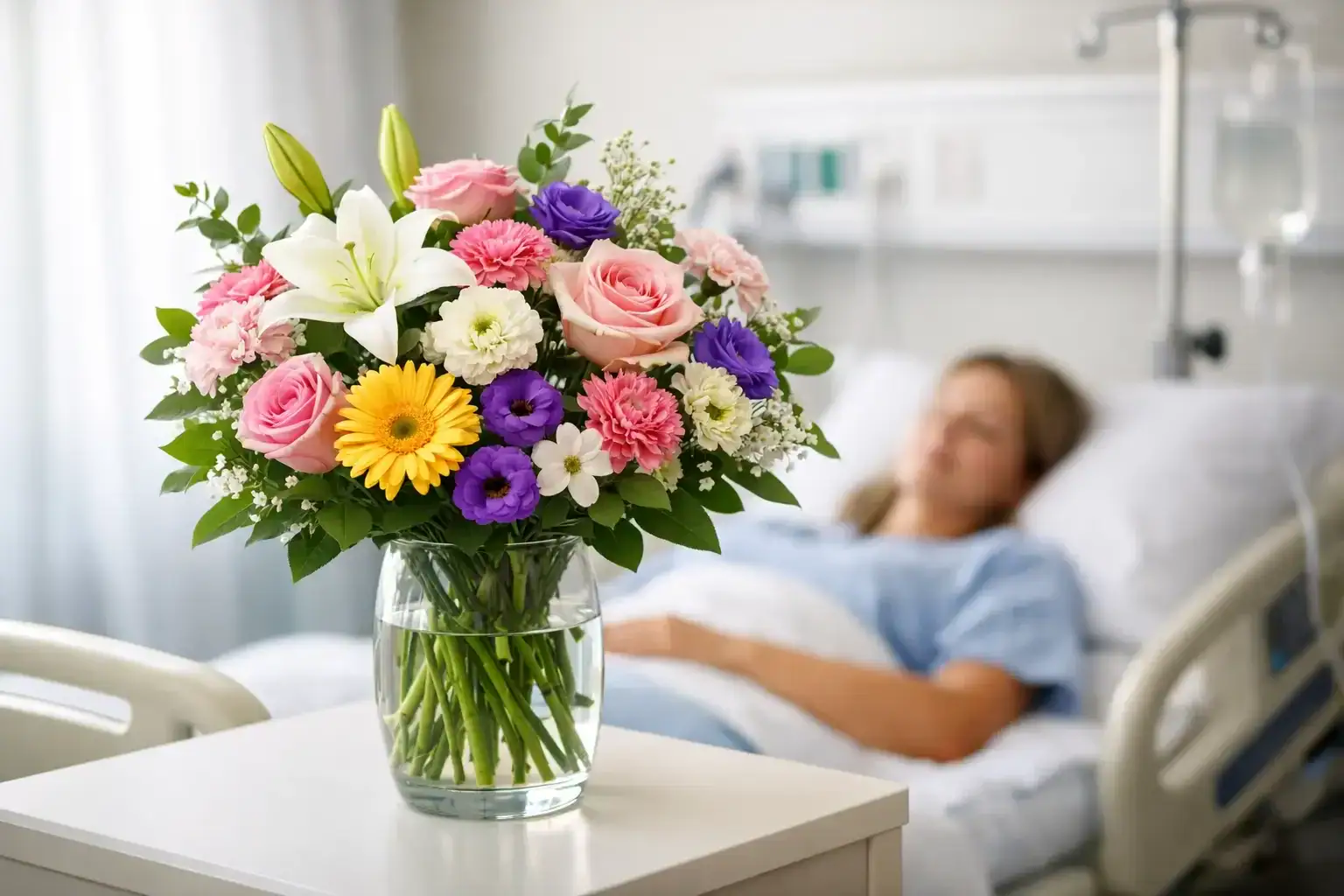
A hospital room can feel clinical fast – bright lights, neutral walls, machines, schedules. The right flowers for hospital recovery add warmth without adding stress, which is why the best choice is rarely the biggest bouquet on the menu. What matters most is comfort, cleanliness, and sending something that feels thoughtful the moment it arrives.
When people send flowers to someone recovering in the hospital, the goal is simple: lift the room and lift the patient’s mood. But hospitals are not typical delivery settings. Space is limited, some units have strict rules, and strong fragrance can go from pleasant to overwhelming in a small room. A beautiful arrangement should feel easy to receive, easy to place, and easy to enjoy.
What makes flowers for hospital recovery a good choice?
Fresh flowers can do something a text message cannot. They change the environment. A bedside arrangement adds color, softness, and a reminder that someone is thinking about the person behind the patient wristband.
That said, not every recovery situation is the same. Someone staying overnight after a routine procedure may enjoy a cheerful mixed bouquet. Someone recovering from major surgery may prefer something more understated. If the patient is in intensive care, maternity, oncology, or a specialty unit, delivery policies may be tighter. Good flower sending starts with a little judgment, not just good taste.
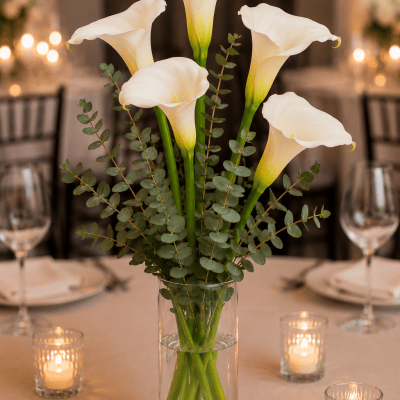
The safest approach is to choose an arrangement that feels polished but restrained. Think compact designs, clean lines, and flowers that look fresh without taking over the room. Premium does not have to mean oversized. In a hospital setting, elegant often works better than dramatic.
The best types of flowers for hospital recovery
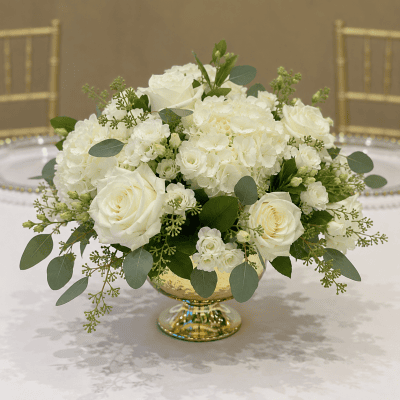
Low-fragrance blooms are usually the smartest option. They bring beauty without creating discomfort for the patient, visitors, or staff. Roses are a classic choice, especially in soft colors, but they should be arranged neatly rather than packed into a towering design. Hydrangeas, alstroemeria, carnations, tulips, and daisies also work well when the palette is calm and the shape is manageable.
Orchids can be especially strong for hospital gifting because they feel elevated and clean. A potted orchid often lasts longer than a cut arrangement, needs very little space, and gives the room a more refined look. For a sender who wants something premium and memorable, this is one of the most dependable options.
Mixed seasonal arrangements can also work beautifully if they are edited carefully. The best versions use a few complementary blooms rather than every flower available. Recovery flowers should look intentional. Too many colors, textures, or filler elements can make an arrangement feel busy in a room that already has enough going on.
If the patient is expected to go home quickly, a slightly fuller arrangement may be fine. If they are likely to remain in the hospital for several days, choose something compact and durable. Flowers that hold up well over time tend to be more appreciated than delicate blooms that fade before the patient is discharged.
Best colors to send
Color matters more than people think. Soft pinks, whites, lavender, peach, and sunny yellow tend to feel calm and encouraging. These shades brighten a room without becoming harsh.
Yellow is often associated with optimism, but it works best when used with balance. A full arrangement of intense yellow can feel loud in a hospital room. Mixed with white or green, it becomes fresher and more soothing. Pink and peach feel warm and caring, while white and green combinations offer a clean, upscale look that suits nearly every situation.
Red roses are not always the best fit for hospital recovery unless the relationship clearly calls for a romantic gesture. Even then, a smaller, elegant design is usually more appropriate than a grand presentation. The setting should guide the scale.
Flowers to avoid in a hospital
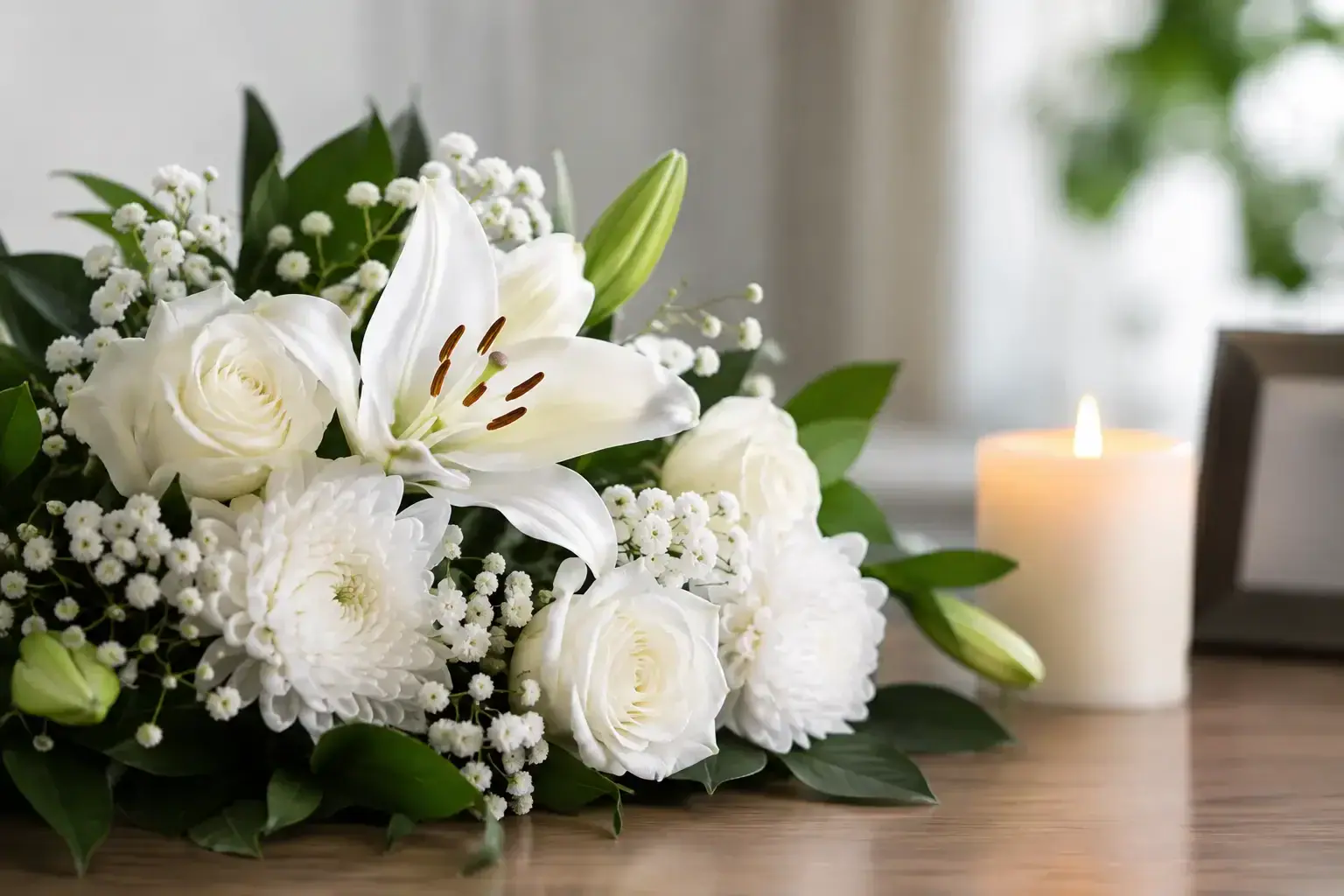
Strongly scented flowers are the first category to rule out. Lilies, for example, are beautiful but their fragrance can be too much in close quarters. Heavily perfumed blooms may trigger headaches, nausea, or irritation, especially for someone recovering from surgery or illness.
Very large arrangements can also create problems. Nurses need access to equipment. Patients need room for personal items, water, food trays, and paperwork. A bouquet that looks spectacular in a lobby may be impractical on a bedside table.
Messy flowers are another risk. Pollen-heavy blooms, shedding petals, or arrangements with a lot of loose greenery can create cleanup issues. In a hospital, ease matters. The right gift should never become one more thing for staff or family to manage.
Some hospitals or specialty units may also restrict live plants, soil-based containers, or certain floral products for health reasons. If there is any doubt, it is worth confirming policy before placing the order. A florist with local hospital delivery experience can usually flag these details quickly.
How to choose the right arrangement for the patient
Start with the patient, not the occasion. Recovery after childbirth calls for a different mood than recovery after surgery. A new mom may appreciate something soft, airy, and welcoming. A friend recovering from a broken bone may enjoy brighter colors and a more upbeat style. Someone older may prefer timeless flowers in a classic vase, while a younger recipient might like a modern design with cleaner lines.
Relationship matters too. If you are sending from a group, such as coworkers or extended family, choose a neutral, widely appealing arrangement. If you are sending personally, you can be more specific about color and style. The strongest gifts feel considered, not generic.
There is also the question of what happens after discharge. If the patient will be heading home within a day or two, flowers that travel easily are a smart move. Compact vase arrangements, orchids, or flowers in a secure box-style presentation often transition better than sprawling stems in a tall glass vase.
Should you send flowers or plants?
It depends on the room, the unit, and how much responsibility you want the gift to create. Flowers are immediate. They arrive ready to enjoy and make an instant visual difference. Plants last longer, but they may be less practical if the patient is overwhelmed or if the hospital has restrictions.
For many hospital deliveries, flowers are the easier choice. If you want more longevity and a premium look, an orchid offers a strong middle ground. It feels elevated, lasts well, and usually takes up less room than a traditional mixed arrangement.
Delivery details matter more than most people realize
Timing can shape the entire experience. A beautiful arrangement sent to the wrong unit or after discharge misses the moment. Before ordering, it helps to confirm the patient’s full name, hospital, and room number if possible. If you are unsure whether the patient will still be admitted later in the day, earlier delivery is usually safer.
This is where local expertise matters. Hospital gifting is not just about floral design. It is also about navigating front desks, delivery windows, and fast-moving patient updates. In Las Vegas and Henderson, where schedules move fast and same-day needs are common, working with a florist that understands local delivery logistics can make the difference between a smooth gesture and a frustrating one.
A good message card should also be short and grounding. You do not need to write a speech. A few sincere words are enough: thinking of you, wishing you a smooth recovery, sending love and strength. The arrangement carries part of the message for you.
When flowers for hospital recovery may not be the best fit
There are moments when sending flowers is not the right call. If the patient has severe allergies, is in a highly restricted unit, or has specifically asked for no gifts, it is better to respect that. In some cases, sending flowers to the home after discharge is the smarter move. It gives the recipient more space to enjoy them and avoids hospital rules entirely.
If you know the patient is likely to feel fatigued, overstimulated, or emotionally drained, simpler is better. Quiet beauty tends to land better than dramatic design in recovery settings. Tasteful arrangements show care without asking for attention.
The best hospital flowers are the ones that feel easy the second they arrive. They brighten the room, respect the setting, and make the patient feel remembered. If you choose with that standard in mind, you are already sending the right message.