The fastest way to overspend on wedding florals is to treat every arrangement like it has to do every job. When couples ask about ceremony flowers vs reception flowers, what they usually want to know is simpler: where should the money go first, what can be reused, and what actually matters once guests are in the room.
That question matters even more in Las Vegas, where weddings can move quickly, venues can shift from chapel to ballroom in a tight window, and setup timing is rarely generous. The right floral plan is not about ordering more pieces. It is about placing the right designs in the right spaces so the ceremony feels intentional and the reception feels finished.
Ceremony flowers vs reception flowers: what changes
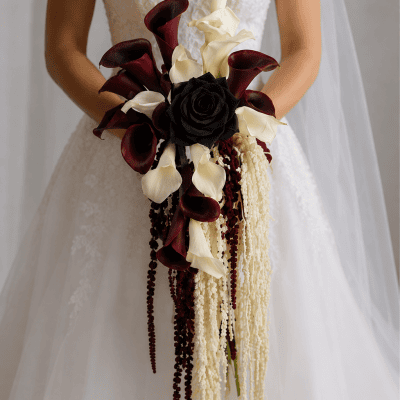
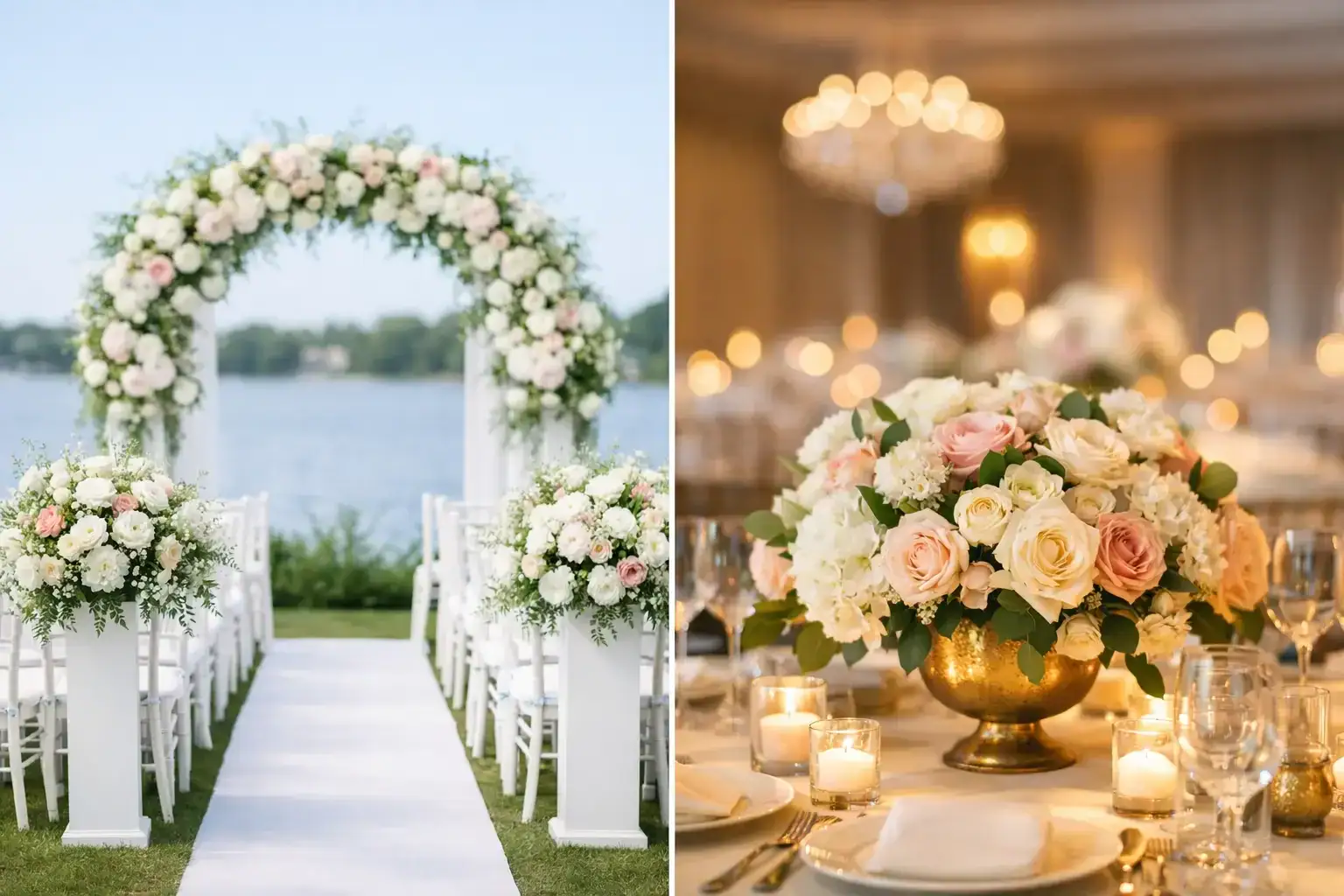
Ceremony flowers are built for the moment you say your vows. They frame the focal point, photograph heavily, and need to read clearly from a distance. Think aisle markers, altar arrangements, floral meadows, chuppah flowers, arch florals, pew accents, and the personal flowers that appear in every key photo – bouquets, boutonnieres, corsages, and flower crowns.
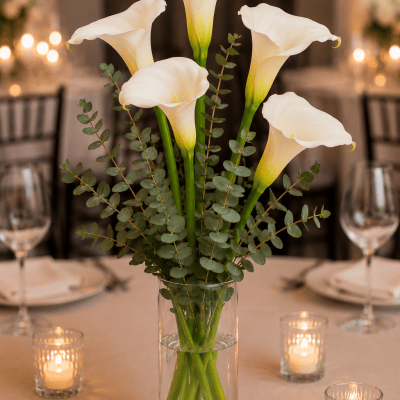
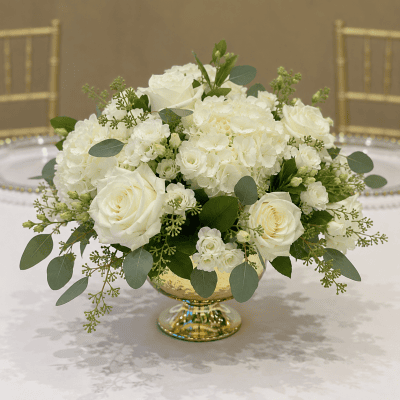
Reception flowers do a different job. They create atmosphere over several hours, support the guest experience, and carry the design across tables, bars, escort displays, cake areas, lounges, and statement installations. These flowers are usually seen up close, often in lower light, and need to work with tableware, candles, linens, and food service.
That is the core difference. Ceremony flowers shape a single high-impact scene. Reception flowers shape the overall environment.
Where guests actually notice each type
Ceremony florals get a concentrated burst of attention. Guests look forward, your photographer captures the backdrop repeatedly, and every design decision near the altar gets amplified. If your venue is architecturally strong, you may need less floral volume here than you expect. If the ceremony setting feels plain, flowers can do a lot of heavy lifting.
Reception florals are more distributed. Guests notice centerpieces while they sit, talk, toast, and eat. They notice statement flowers when they enter the room. They notice bar and cake flowers when those areas become active. In other words, reception flowers often influence the guest experience for longer, even if ceremony flowers dominate the most emotional photos.
This is why there is no universal rule for which matters more. It depends on your venue, your guest count, your photography priorities, and whether the ceremony and reception happen in the same place.
Ceremony flowers usually deserve priority if
If your ceremony backdrop is visually weak, floral framing can transform it fast. A grounded floral meadow, asymmetrical arch spray, or a pair of elevated altar arrangements can make a basic setting feel polished and expensive.
Ceremony flowers also deserve priority if your guest list is small and the vows are the center of the day. In more intimate weddings, guests are highly tuned into that moment, and every design choice around it feels more personal.
Another case is when portraits matter most to you. Bouquets, boutonnieres, and altar florals show up again and again in galleries. If you want your photos to feel lush, clean, and elevated, this is often where the investment pays off.
Reception flowers usually deserve priority if
If you are hosting a longer celebration with dinner, dancing, speeches, and a full room reveal, reception flowers often carry more value. Guests spend far more time there. Centerpieces, head table flowers, sweetheart table florals, and entry arrangements shape the mood all evening.
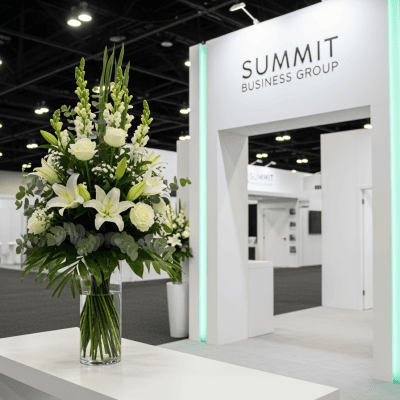
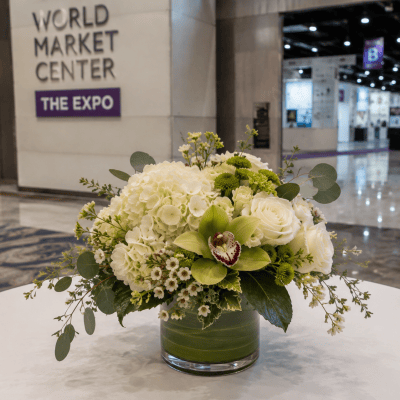
Reception flowers also matter more when the room itself needs design. Ballrooms, event spaces, and hotel reception rooms can feel blank without texture and scale. Florals soften the room, add color, and help tie together lighting, linens, and place settings.
They may also deserve the bigger share of budget if your ceremony space is already beautiful. If you are getting married in a garden, elegant chapel, or dramatic outdoor setting, you may not need much more than personal flowers and a few focused accents.
The smartest weddings reuse flowers
The best answer to ceremony flowers vs reception flowers is often not either-or. It is reuse.
Many ceremony designs can be moved after the vows and repurposed for the reception. Aisle markers can become bar accents or small centerpiece clusters. Altar arrangements can flank the sweetheart table. Entry arrangements can be reset near the cake display or escort cards. Ground flowers from the ceremony can be redesigned around the DJ booth, stage, or head table if your florist plans for that move in advance.
This is where experienced event florists earn their keep. Reuse only works if mechanics, timing, transport, and labor are considered upfront. Some pieces are easy to move. Others are too delicate, too large, or too structurally tied to an arch or installation. Couples often assume everything can be repurposed, but that is not always realistic.
If your venue turnaround is tight, ask specifically what can be transferred without risking damage or delaying the reception setup. A beautiful floral plan is only a good plan if it works on schedule.
Personal flowers belong in a separate category
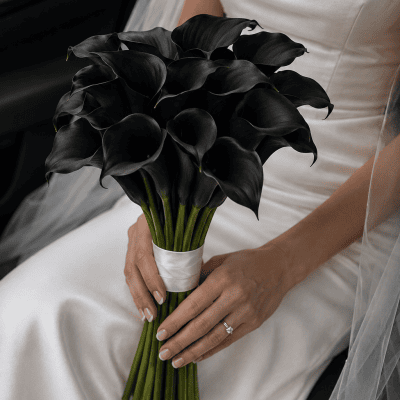
Bouquets, boutonnieres, corsages, and flower girl florals are technically ceremony pieces, but they deserve their own category because they are wearable and highly photographed. They also have emotional value that room flowers do not.
A bridal bouquet is one of the few floral elements that stays with you through multiple parts of the day. It appears in getting-ready photos, first looks, ceremony shots, portraits, and often reception details. That usually makes it worth prioritizing, even in a lean budget.
The same goes for boutonnieres and family flowers, though scale should stay practical. Oversized personals can photograph well but wear poorly, especially in heat. In warmer climates or outdoor settings, flower choice and construction matter as much as style.
How to divide the budget without guessing
A strong floral budget starts with three questions. First, where will the most important photos happen? Second, where will guests spend the most time? Third, which areas need flowers to feel complete rather than just nice to have?
From there, you can usually build a cleaner allocation. If your ceremony is simple and your ballroom needs atmosphere, put more toward reception designs. If the vows happen in front of a plain wall and the reception room already has character, shift more toward the ceremony.
For many weddings, the most balanced approach is to fund personal flowers first, then one strong ceremony focal area, then reception centerpieces, and then any statement extras if budget allows. Extras might include floral chandeliers, hanging installations, staircase florals, or oversized flower walls. These can look incredible, but they are often the first place budgets go sideways.
Premium floral design does not require putting flowers in every corner. It requires making sure the key visual zones look intentional.
Style choices that work differently in each space
Some styles perform better at the ceremony than at the reception. Loose, airy designs with movement tend to photograph beautifully at the altar. They catch light well and feel romantic in wide shots. Reception tables, on the other hand, often need more controlled proportions so guests can still talk, dine, and see across the table.
Color can also shift by space. Ceremony florals often look strongest with a clean palette that reads clearly from a distance. Reception florals can carry more nuance because guests see them close up. Texture, specialty blooms, candlelight interplay, and layered tones have more time to register.
Height is another factor. Tall ceremony arrangements can add drama without blocking views if placed correctly. Tall reception centerpieces can be stunning, but only when they are truly above sightline or kept low enough to feel intimate. The awkward middle height rarely feels luxurious.
Common mistakes couples make
One of the biggest mistakes is underestimating labor. Moving flowers from ceremony to reception is not free just because the blooms already exist. It takes planning, hands on site, and enough time between events.
Another mistake is spreading the budget too thin. Ten small floral moments usually have less impact than three strong ones. Guests remember confidence in design more than quantity.
Couples also sometimes choose flowers based only on inspiration photos without considering season, venue conditions, and timing. A bouquet that looks perfect in a studio image may behave differently in desert heat, direct sun, or a fast-paced event schedule.
That is why local execution matters. A florist used to working weddings across Las Vegas and Henderson can help you decide which flowers hold up, which installations are worth the investment, and which pieces can realistically be repurposed without compromising the look.
What to ask your florist before you book
Ask which floral pieces will be seen most in photos and which will affect guest experience most. Ask what can be reused, what cannot, and why. Ask how setup and transfer timing works at your venue. Ask where premium blooms will have the most visible payoff.
Most of all, ask your florist to design for your priorities instead of a generic wedding checklist. The best floral plans are not built by filling categories. They are built by knowing exactly which moments need to feel unforgettable.
If you are choosing between more flowers at the ceremony or more flowers at the reception, start with the spaces that need the most transformation and the moments you will care about years from now. The right answer is rarely more. It is smarter, better-placed design that still feels effortless when the day arrives.