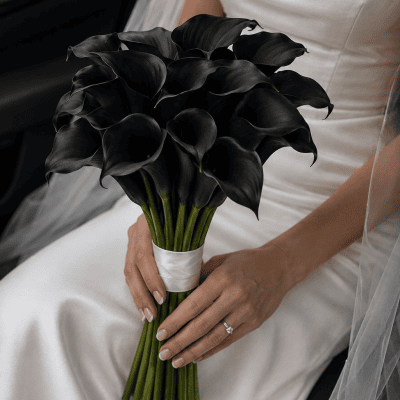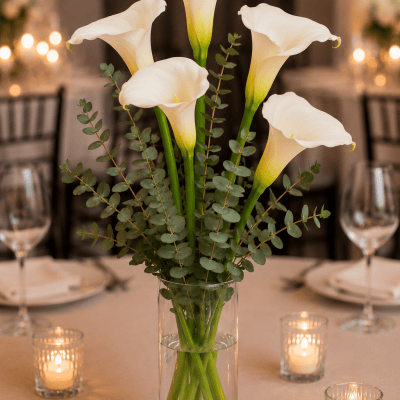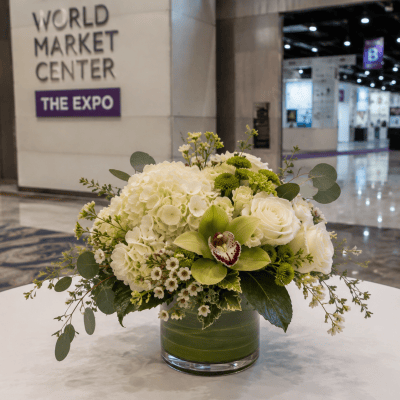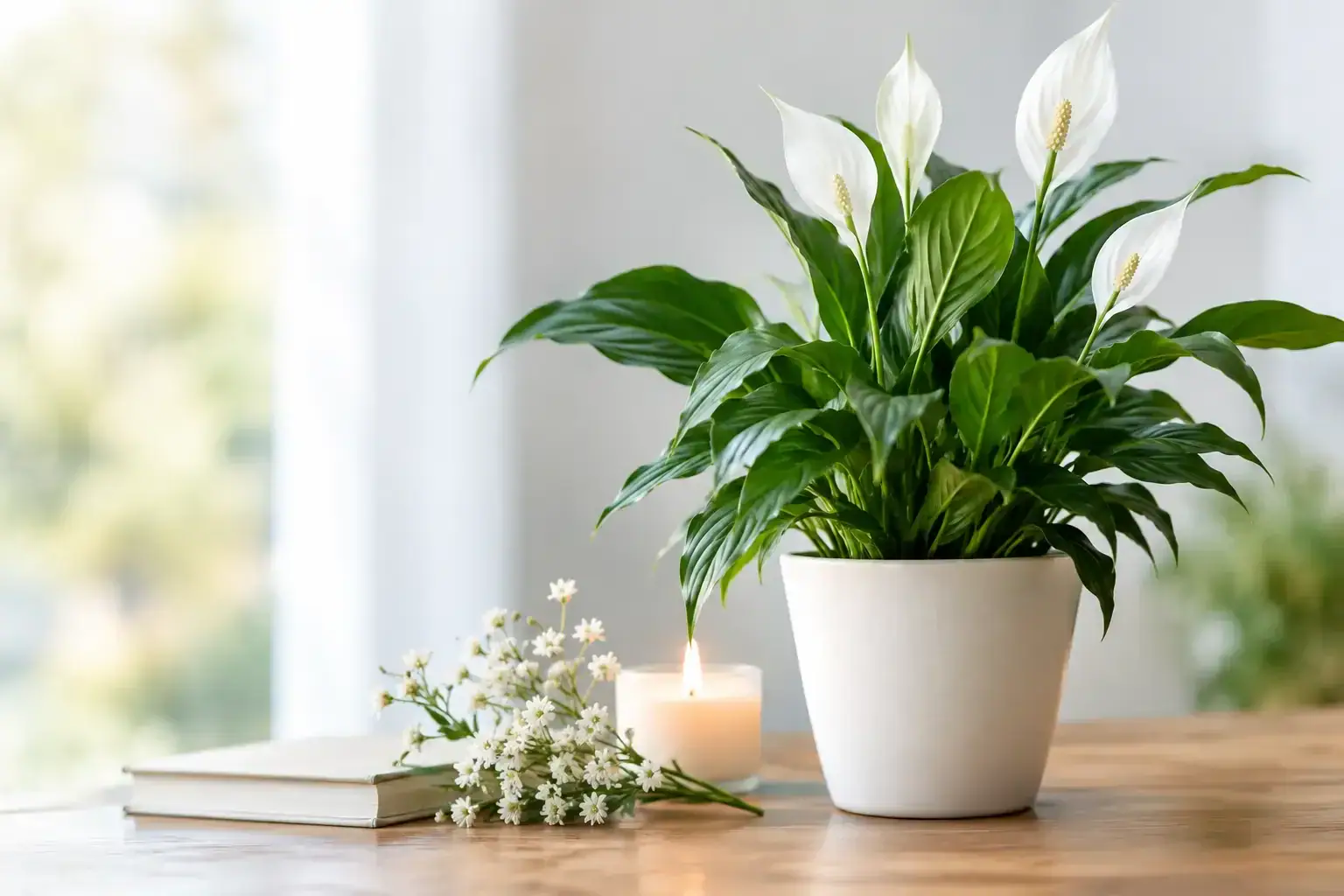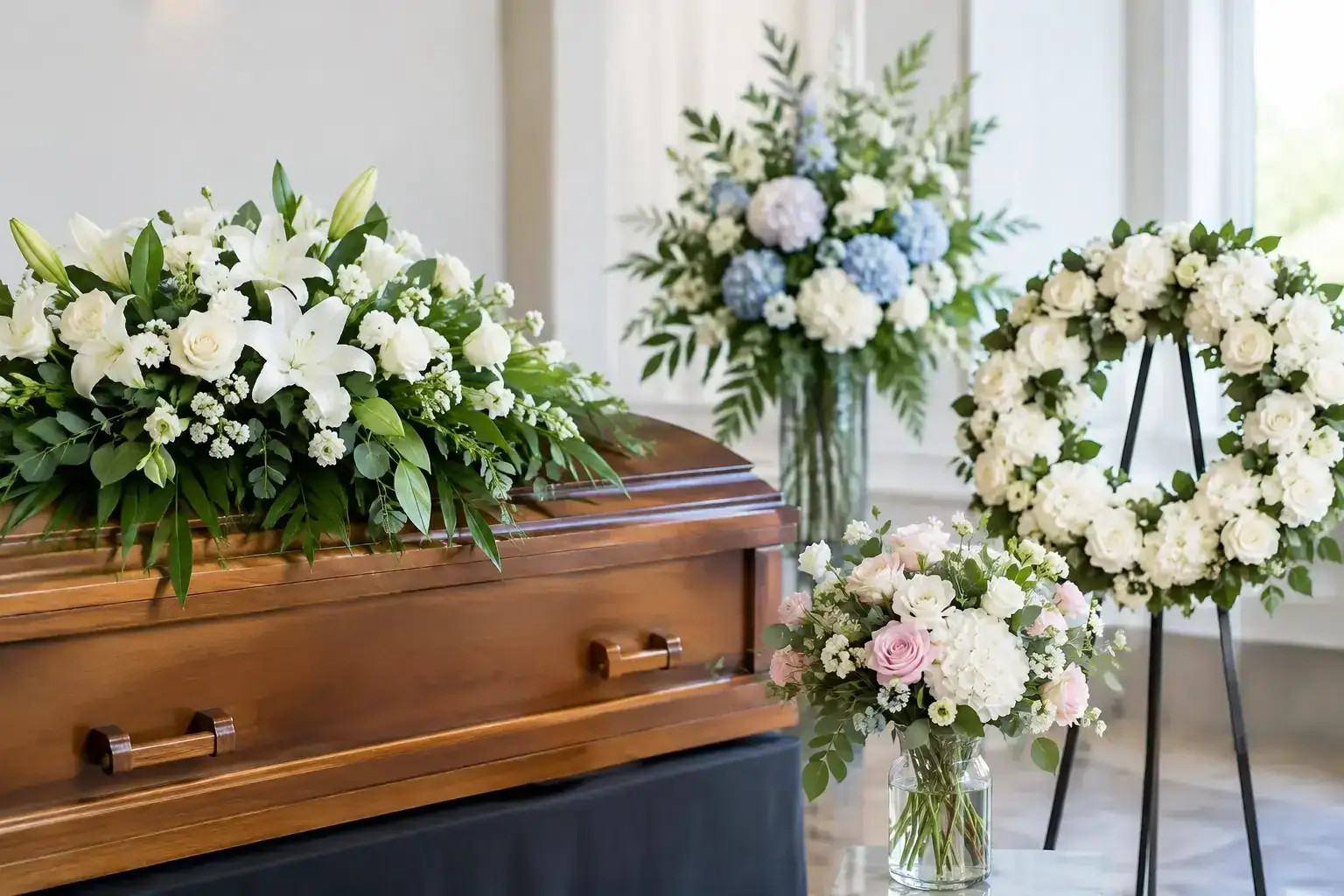
A funeral flower tribute does more than fill a room. It gives family, friends, and colleagues a visible way to say, “You mattered.” These funeral tribute arrangement examples can help you choose a design that feels personal, appropriate for the service, and proportionate to your relationship with the person who died.
The right choice is rarely about finding the most expensive arrangement. It is about selecting flowers, colors, and a presentation style that reflect the life being remembered while respecting the setting. A close family member may choose a large standing spray or casket arrangement, while a friend, neighbor, or business may prefer an elegant basket or low floral display.
Funeral Tribute Arrangement Examples by Relationship
The relationship you shared often provides the clearest starting point. Funeral flowers do not need to follow a rigid formula, but scale and style should feel considered.
Casket sprays for immediate family
A casket spray is typically selected by the spouse, children, parents, or closest relatives. This is a substantial arrangement designed to rest on or beside the casket, creating a central floral statement during the service. Full casket sprays are often reserved for open-casket services, while half-casket sprays can be a fitting choice when the casket will remain closed.
Classic white roses, lilies, hydrangea, and greenery create a timeless expression of peace. For someone known for color, a designer can build a more personal palette with garden roses, orchids, sunflowers, or the person’s favorite blooms. The trade-off is simple: traditional flowers create a quiet, formal feeling, while brighter color tells a more individual story.
Standing sprays and wreaths from family and close friends
Standing sprays are displayed on easels near the casket, entrance, or memorial area. Their height makes them visible across a chapel or funeral home, which is why they work especially well for larger services. A classic spray in white and green is always appropriate, but soft blush, lavender, blue, or seasonal tones can bring warmth without feeling overly casual.
A circular wreath is another meaningful option. Its unbroken shape is often associated with enduring love, continuity, and remembrance. A wreath may feature one color, such as white roses or red carnations, or combine flowers with a ribbon carrying a short message such as “Beloved Mother,” “Forever Remembered,” or “With Love.”
Floral baskets from friends, neighbors, and coworkers
A sympathy basket is one of the most versatile choices. It can be sent directly to a funeral home, displayed at a memorial service, or delivered to the family’s home afterward. Because the arrangement sits in a basket or handled container, it feels warm and generous without requiring the scale of a standing tribute.
For coworkers or professional contacts, a refined basket in whites, greens, and soft neutrals is usually the safest choice. If you knew the person well, a garden-style mix with roses, snapdragons, lilies, and seasonal blooms can feel more personal. This is also a strong option when several people are contributing together and want one polished, substantial arrangement.
Vase arrangements for the family home
Not every tribute needs to arrive at the service. A vase arrangement delivered to the family home can be especially thoughtful in the days before or after the funeral, when the house is quiet and support often begins to fade. Choose an arrangement designed for a table, entryway, or kitchen island rather than a tall ceremony piece.
Long-lasting flowers such as roses, carnations, alstroemeria, orchids, and chrysanthemums can offer beauty for many days with proper care. A low, lush design is practical for a home because it is easy to place and does not block conversation or sightlines.
Funeral Tribute Arrangement Examples With Personal Meaning
The most memorable funeral flowers often include a detail that quietly reflects the person’s personality. This can be as simple as a favorite color, a preferred flower, or a design that echoes a hobby, military service, faith, or family tradition.
A tribute for a devoted gardener may include fragrant stock, roses, hydrangea, and natural greenery with a soft garden feel. For someone who loved the desert landscape of Southern Nevada, warm sunset tones, sculptural orchids, tropical foliage, or textural branches can feel true to their style. For a veteran, patriotic red, white, and blue flowers may be fitting, though a more understated design in their favorite colors can be equally meaningful.
Heart-shaped arrangements are often chosen for a spouse, parent, child, or grandparent because the message is direct and deeply personal. Cross arrangements are appropriate for Christian services and may be sent by relatives or close friends. Floral letters can spell an initial, a nickname, or a short word, but they tend to make the strongest impact when the family has requested a highly personalized memorial.
These specialty designs take more design time and often need advance notice. If the service is soon, ask what can be created well within the available window rather than forcing a custom shape that may not arrive at its best.
Choosing Colors and Flowers With Care
White remains a traditional funeral color because it conveys reverence, purity, and peace. White lilies, roses, carnations, hydrangea, and orchids are frequently used in formal services. That said, all-white is not the only respectful choice. A celebration-of-life service may call for the colors the person wore, loved, or surrounded themselves with.
Soft pastels often communicate tenderness and grace. Pink can express appreciation and gentleness, lavender can suggest admiration, and blue can create a calming presence. Red roses carry strong associations with love and devotion, making them especially suitable from a spouse or close family. Yellow flowers can bring warmth and friendship, but work best when the person had a bright, joyful personality or the service is intentionally celebratory.
Consider the flowers themselves as well as their color. Lilies are traditional and fragrant, though their scent may be too strong for a small room or for family members with sensitivities. Roses are versatile and elegant. Orchids create a more contemporary, luxury look and can be a beautiful choice for a refined tribute. Carnations are durable, full, and often used for symbolic shapes and large-scale arrangements.
Matching the Arrangement to the Service
Before placing an order, confirm where the flowers should go and when the service begins. Funeral homes typically have staff who can receive and place arrangements, but churches, event venues, and private residences may have different delivery instructions. Include the full name of the deceased, the service location, and the scheduled time whenever possible.
Size matters. A large standing spray can look appropriate in a spacious chapel but overwhelm a small gathering. Conversely, a small vase may disappear in a large memorial room. When you are unsure, tell the florist whether the flowers are intended for the service, graveside, or family home. An expert designer can recommend a scale that looks intentional rather than excessive.
Timing matters just as much. For a same-day service in Las Vegas or Henderson, choosing an in-stock design with seasonally available flowers can protect both quality and delivery timing. VIP Floral can help coordinate a polished, occasion-appropriate design when time is short, including rapid local delivery for arrangements that need to reach a funeral home, church, hotel, or family residence promptly.
What to Write on a Funeral Flower Card
A card message does not need to carry the weight of the entire loss. A few sincere words are enough. If you are close to the family, mention the person by name and offer a specific sentiment: “Your kindness will stay with us,” “Thank you for the memories,” or “Loved beyond words.”
For a group of coworkers or a business, keep the message respectful and clear: “With deepest sympathy from your colleagues at [Company Name].” If you are sending flowers to the family home, it can be appropriate to add a practical offer of support, such as “Thinking of you and here when you need us.”
A thoughtful tribute does not need to say everything. It simply needs to arrive as a clear sign of care, honoring the person and offering the family a moment of beauty when they need it most.