A beautiful arrangement can lift someone’s spirits fast, but get well flowers etiquette matters more than most people realize. The right bouquet feels thoughtful and comforting. The wrong one can create extra work for a patient, conflict with hospital rules, or simply miss the tone of the moment.
When someone is recovering, the goal is not to impress them with scale alone. It is to send something that feels easy, appropriate, and genuinely supportive. That means thinking beyond color and blooms. Where the flowers are going, how serious the illness is, and whether the recipient will actually be able to enjoy them all shape the best choice.
Get Well Flowers Etiquette Starts With the Setting
The first question is simple: are you sending flowers to a hospital, a rehab center, a workplace, a hotel, or the person’s home? That detail changes everything.
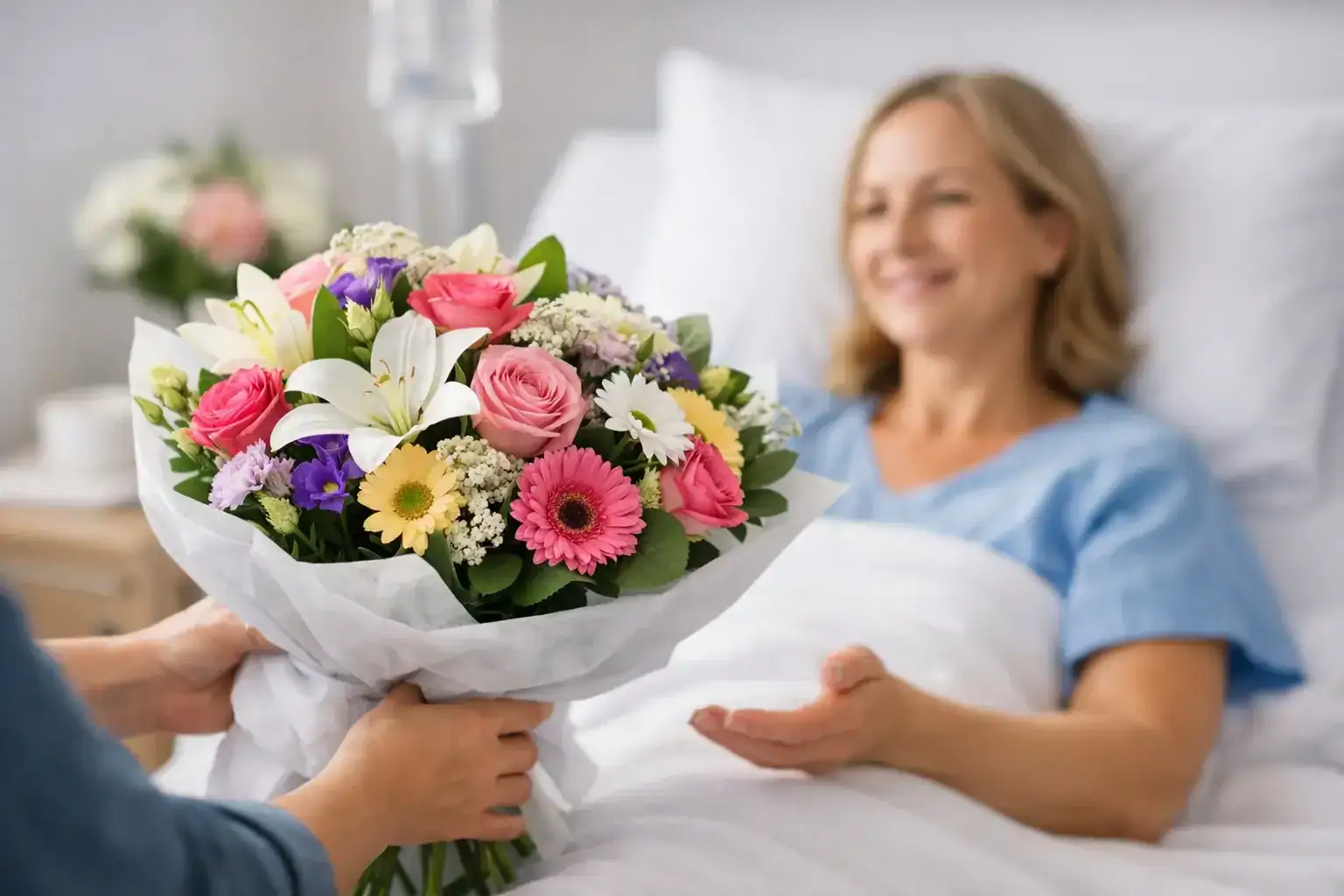
Hospitals often have tighter restrictions than people expect. Some units do not allow fresh flowers at all, especially intensive care, maternity recovery in certain facilities, or areas with patients who have respiratory sensitivity or compromised immune systems. Even when flowers are allowed, space can be limited. A large arrangement may look generous, but if it crowds a bedside table or needs constant repositioning, it becomes less gift and more inconvenience.
Home delivery is usually the safest choice if you are unsure. It gives the recipient more time to enjoy the arrangement, and it removes the risk of hospital policies getting in the way. For someone recovering after surgery or resting at home with a bad illness, a thoughtfully sized arrangement delivered directly to the door often lands better than something sent to a medical facility.
In Las Vegas, where people may be recovering in hospitals, hotels, or private residences after procedures, events, or travel-related setbacks, timing and location accuracy matter. A same-day florist can help, but only if you have the correct room details, recipient name, and delivery window.
When Flowers Are a Great Idea – and When They Are Not
Flowers are usually a welcome gesture for short-term illness, surgery recovery, minor injuries, or a general period of healing. They are also a strong choice when you want to acknowledge someone’s rough week without making the message too heavy.
That said, there are moments when flowers may not be the best fit. If someone is dealing with a very serious diagnosis, in significant pain, or facing a long and uncertain medical situation, bright cheerful blooms can sometimes feel mismatched if the note is too casual. In those cases, flowers can still be appropriate, but the design and message should be more restrained and sincere.
There are also practical reasons to skip flowers altogether. Severe allergies, scent sensitivity, pet safety concerns at home, or hospital restrictions can make another gift more thoughtful. If you know the recipient would prefer something useful, comforting, or edible, etiquette leans toward honoring that preference instead of forcing the classic floral gesture.
Choosing the Right Arrangement
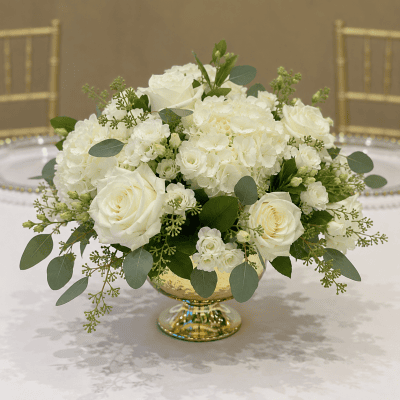
The best get-well arrangement is polished, uplifting, and easy to live with. It does not need to be oversized to feel premium. In fact, medium arrangements often work best because they bring color without overwhelming a room.
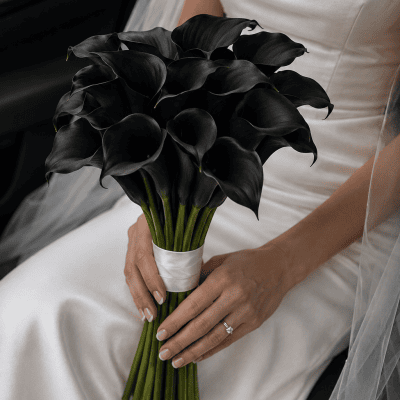
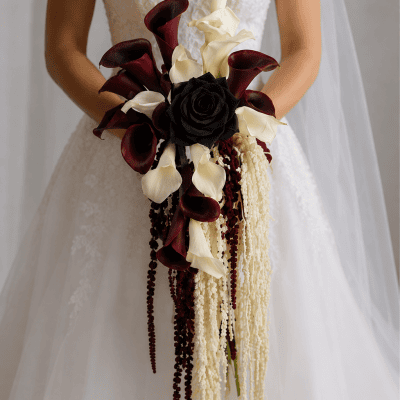
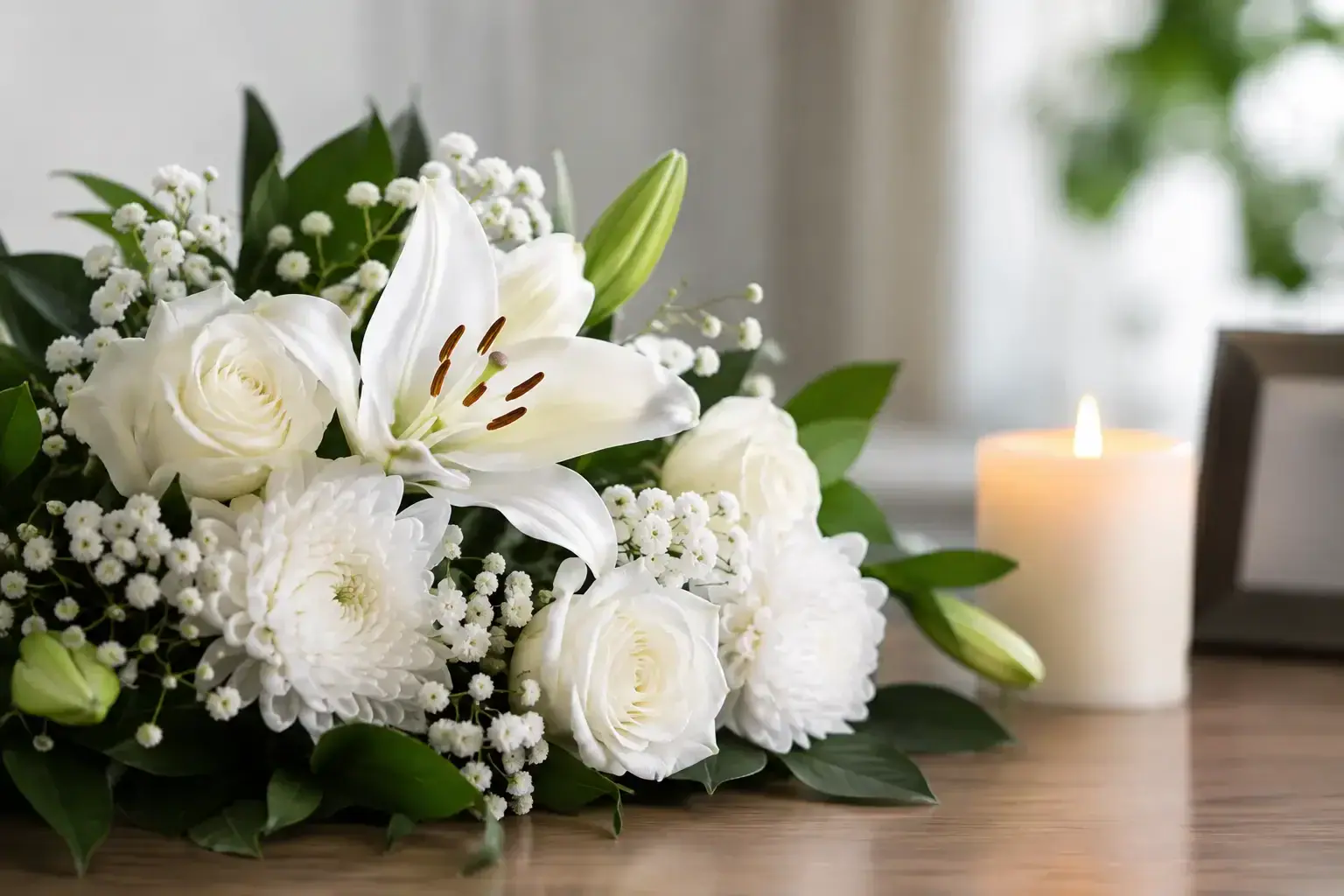
Soft, fresh colors are the safest choice. White, green, blush, lavender, peach, and sunny yellow tend to feel calm and encouraging. Bright mixed florals can work well too, especially for someone with an upbeat personality, but there is a difference between cheerful and loud. Very dramatic red roses can read as romantic unless that is your intention. Deep funeral-style palettes can also send the wrong message.
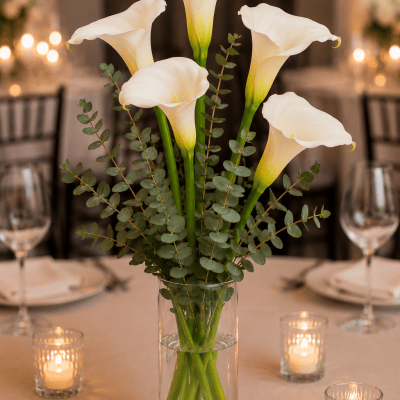
Fragrance deserves more attention than it gets. Strongly scented lilies or other heavily perfumed blooms may be beautiful, but they are not always ideal for someone nauseous, tired, or sensitive to smells. Low-fragrance arrangements often make the better choice for recovery settings.
Design style matters as much as flower type. Compact, front-facing designs are easier for hospital rooms and small spaces. Vase arrangements are generally more convenient than wrapped bouquets because the recipient does not need to find a container, trim stems, or do any setup.
Who You Are to the Recipient Changes the Etiquette
Your relationship with the person should guide both the arrangement and the note. From a spouse or partner, a luxe floral presentation may feel deeply personal and completely appropriate. From a coworker, client, or manager, something more understated and professional is usually the better move.
For business relationships, keep the arrangement elegant and neutral. Clean whites, greens, or seasonal mixed florals work well, and the card should stay warm but brief. You want the gesture to communicate care without becoming overly intimate.
For close family and friends, you have more room to personalize. If they love tropical flowers, orchids, or vivid colors, that preference matters. Good etiquette is not about following a rigid rulebook. It is about sending something that feels right for the person receiving it.
What to Write in a Get-Well Card
This is where people often overthink it. A get-well message should be kind, concise, and pressure-free. The recipient does not need a long speech. They need reassurance.
A strong note usually does three things: acknowledges what they are going through, offers a warm wish for recovery, and keeps the emotional burden light. “Thinking of you and wishing you a smooth recovery” works. “Sending you something bright for the days ahead” works too. If you know them well, a little personality is fine. If you do not, keep it polished.
Avoid jokes unless you are absolutely sure they will land. Avoid comments that minimize the situation, demand updates, or make the recipient feel responsible for responding. This is not the time for “Text me back when you get this” or “Hope you’ll be back to normal in no time” if their recovery may be slow.
If the flowers are from a group, say so clearly in the card. One clean, collective message is more elegant than cramming in too many individual signatures and side comments.
Timing Matters More Than Most People Think
Sending flowers immediately after hearing the news is not always the best move. Sometimes the first 24 hours are chaotic, especially after emergency treatment or surgery. Family may still be sorting out where the patient is, whether visitors are welcome, and when deliveries can be accepted.
A short delay can actually be more thoughtful. Flowers arriving once the person is settled, transferred home, or beginning recovery may have a stronger impact. They feel less like a reflex and more like real support.
For same-day delivery, accuracy matters. Double-check the spelling of the recipient’s name, room or suite number, facility details, and contact phone number. In a fast-moving city, especially across Las Vegas, Henderson, the Strip, or large medical campuses, small mistakes can delay an otherwise perfect gesture.
Common Mistakes in Get Well Flowers Etiquette
The biggest mistake is making the gift about the sender rather than the recipient. Oversized arrangements, highly romantic flowers for a platonic relationship, or heavily scented blooms in a medical setting can all miss the mark.
Another common problem is sending flowers without checking basic restrictions. If the hospital will not allow them, the gesture loses its value quickly. The same goes for deliveries that arrive after discharge because nobody confirmed whether the patient was still there.
Card tone is another place where people slip. Messages that are too dramatic, too familiar, or strangely upbeat for the situation can feel off. The safest route is simple warmth with a little polish.
How to Make the Gesture Feel More Thoughtful
If you want the flowers to feel elevated, focus on quality and fit. A well-designed arrangement in the right size usually says more than a larger one assembled without context. Premium does not always mean huge. It can mean cleaner design, fresher blooms, better color balance, and delivery handled with care.
This is where a skilled local florist earns trust. A florist familiar with hospital deliveries, residential access, hotel policies, and time-sensitive routing can help you avoid etiquette mistakes before they happen. VIP Floral, for example, often helps customers choose arrangements that match both the occasion and the delivery setting, which is exactly what get-well gifting requires.
The best get-well flowers do one job well: they bring comfort without creating complications. If your choice is easy to receive, appropriate to the relationship, and paired with a thoughtful note, you have already done the most important part right.
A good arrangement cannot fix a hard week, but it can soften the room, brighten the day, and remind someone they are being cared for at the moment they need it most.