You usually feel wedding flower costs before you fully understand them. One quote looks surprisingly low until personals, candles, delivery, and setup are added. Another seems high until you realize it includes ceremony pieces that move to the reception, plus teardown at the end of the night. That is exactly why a guide to wedding flower packages matters – it helps you compare what is actually included, not just the starting number.
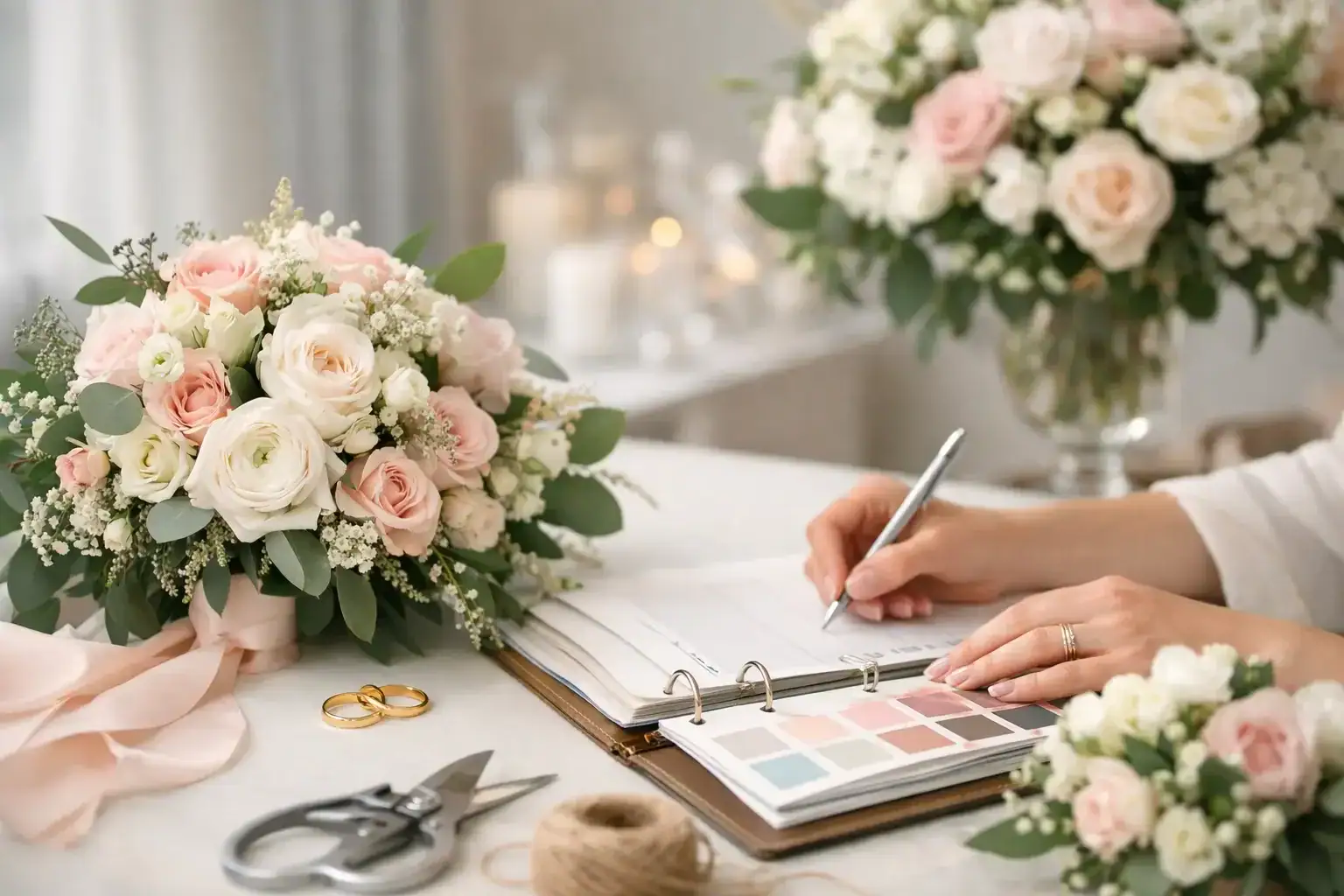
Wedding flower packages can be a smart way to simplify planning, especially if you want a clear floral plan without building every item from scratch. They work best when you understand what is fixed, what is flexible, and where upgrades make the biggest visual impact. If you are planning a Las Vegas wedding, that clarity matters even more because venue styles, delivery windows, and setup logistics can vary fast from hotel ballrooms to outdoor ceremonies.
What wedding flower packages usually include
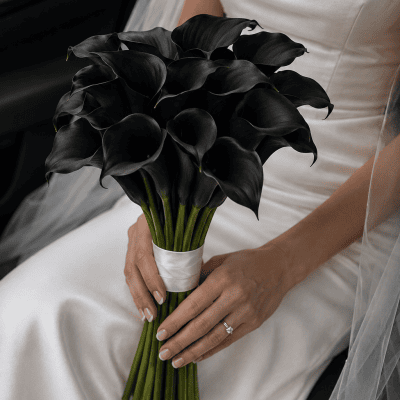
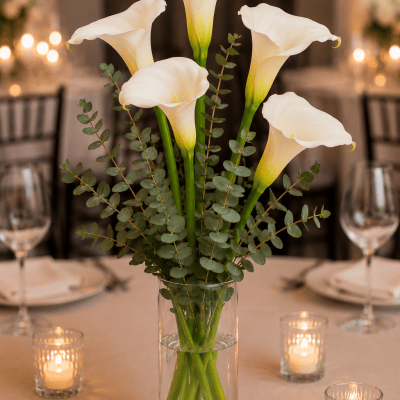
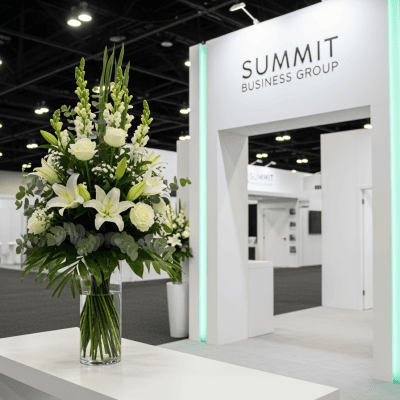
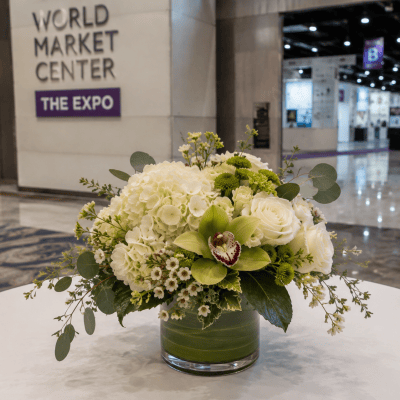
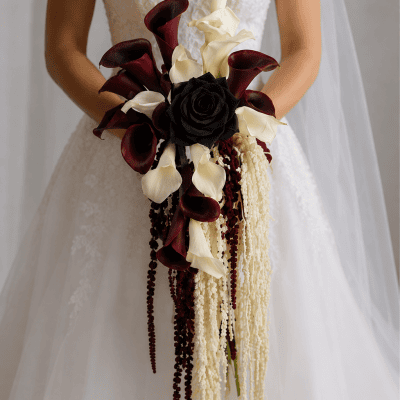
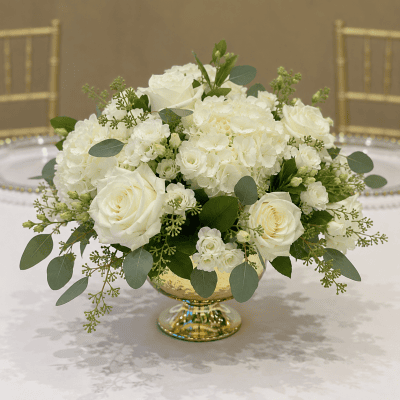
Most wedding flower packages group florals into three categories: personals, ceremony flowers, and reception flowers. Personals cover items such as the bridal bouquet, bridesmaid bouquets, boutonnieres, corsages, and sometimes flower girl petals or a floral crown. Ceremony florals may include an arch piece, aisle markers, altar arrangements, or entrance flowers. Reception florals often start with centerpieces and may extend to sweetheart table flowers, cake flowers, bar arrangements, or statement installations.
The reason packages appeal to couples is simple. They create a base design plan with pricing structure already in place. Instead of selecting ten separate floral products one by one, you begin with a coordinated collection. That usually means better visual consistency and faster decision-making.
Still, not all packages are built the same way. Some are tightly structured, with a set flower recipe and a fixed item count. Others are more like tiered investment levels where the florist customizes the look within a target budget. The first option is easier to price quickly. The second gives you more room to shape the wedding around your priorities.
A practical guide to wedding flower packages and pricing
The fastest way to understand package pricing is to look past the bouquet count and focus on labor, mechanics, and scale. Flowers are only part of the total. Design time, delivery, on-site installation, repurposing, and teardown can change the number significantly.
A basic package often centers on personals and a few simple ceremony or reception pieces. This is common for smaller weddings, elopements, or couples who want polished florals without a large room transformation. A mid-range package usually adds fuller bouquets, upgraded blooms, more centerpieces, and at least one focal ceremony design. A premium package tends to include elevated flower varieties, larger arrangements, more candles or styling elements, and installation-heavy pieces like arches, hanging florals, or lush sweetheart table designs.
What pushes a package upward is not always flower rarity alone. Volume matters. A room with twenty guest tables needs very different production than a dinner for forty with four statement arrangements. Season matters too, although experienced florists can often design around availability while still protecting the look. If you have your heart set on specific blooms, flexibility with color palette can help keep the package balanced.
How to compare two flower packages fairly
Two packages with similar prices can deliver very different results. The cleanest comparison starts with item count, flower style, and service level.
First, check the exact number of personals included. A package may sound generous until you realize it covers one bridal bouquet, three bridesmaid bouquets, and four boutonnieres when your wedding party is twice that size. Next, look at centerpiece size and type. Low centerpieces, bud vase groupings, and lush elevated designs all create different impressions and carry different costs.
Then review logistics. Does the package include delivery only, or full setup? Will ceremony flowers be professionally moved to the reception? Is teardown included at the end of the event? Those details matter because they affect both labor and peace of mind.
Finally, ask how substitutions are handled. A professional florist will protect the overall color story and value of the package if a specific bloom is unavailable. That is very different from promising an exact stem list months in advance regardless of market conditions.
Choosing the right package for your wedding style
The best package is not always the biggest one. It is the one that matches how your wedding will actually be experienced.
If your ceremony is the visual centerpiece, invest there. A strong altar design or floral arch will appear in a huge share of your photos. If your reception is where guests spend most of their time, centerpieces and focal tables may deserve more of the floral budget. If you are hosting a smaller luxury wedding, fewer arrangements done at a higher level can feel more refined than spreading the budget too thin across too many tables.
Venue style should guide package decisions too. A ballroom with high ceilings can absorb florals quickly, so compact centerpieces may disappear visually. A modern restaurant or rooftop often benefits from cleaner, intentional pieces rather than trying to force a grand garden look into a sleek room. Outdoor weddings also need practical planning. Heat, wind, and timing affect flower performance, especially in the Las Vegas area.
Where couples tend to overspend – and where upgrades pay off
One of the most common mistakes is ordering too many small items with limited visual return. Extra aisle markers, scattered cocktail flowers, and duplicate designs can add cost without changing the overall experience very much. That does not mean these details never matter. It means they should support the main floral moments, not compete with them.
Upgrades usually pay off best in three places: the bridal bouquet, the ceremony backdrop, and the reception focal area. The bouquet is photographed constantly and carried close to the body, so bloom quality and finish are easy to notice. The ceremony backdrop frames key moments. The reception focal area, whether that is a sweetheart table, head table, or statement bar arrangement, gives the room a clear center.
Candles can also be a strong package add-on because they increase atmosphere without requiring the cost of another full floral arrangement. On the other hand, if your venue already has dramatic architecture or a strong view, you may not need elaborate floral installations at all.
Questions to ask before you book
A good florist should make package details easy to understand. Ask what is included, what can be customized, and what changes pricing the most. Request clarity on delivery windows, setup timing, repurposing options, and who is handling on-site installation.
You should also ask to see examples of package work at a scale similar to your event. A florist may create beautiful bouquets but have a very different approach to ceremony mechanics or large reception styling. For hotel weddings, resort venues, or tightly scheduled event spaces, experience with timing and access rules is just as important as flower selection.
If you are comparing proposals, ask each florist to quote the same scope. That is the only way to see the difference in style, service, and value clearly. Since 2004, VIP Floral has seen how much easier the planning process becomes when couples can compare complete floral solutions instead of piecing together line items under pressure.
When a custom package makes more sense
Some weddings simply do not fit a preset floral menu. If your guest count is unusual, your venue has installation restrictions, or you want a strong design point of view, a custom package is often the better route. That is especially true for multi-space weddings where ceremony, cocktail hour, and reception all need distinct floral placement.
Custom does not always mean more expensive. In many cases, it means the budget is allocated more intelligently. Maybe you skip bridesmaid bouquets and put that money toward a dramatic ceremony piece. Maybe you use a lush floral meadow that can later frame the DJ booth or sweetheart table. The smartest packages are built around movement, reuse, and visual priorities.
This is where local expertise matters. A florist who understands venue flow, delivery timing, and event-day pressure can shape a package that looks elevated but still works operationally. That is the difference between flowers that merely arrive and flowers that perform.
A final thought on wedding flower packages
The right floral package should make decisions easier, not lock you into someone else’s formula. Start with the atmosphere you want guests to feel, then choose a package that supports that experience with clear inclusions, realistic service, and room for the details that matter most to you. When the structure is right, the flowers do more than decorate the day – they help the whole event feel finished.