A rose box delivered for an anniversary, a suite surprise on the Las Vegas Strip, or an apology that needs to make a lasting impression should not feel temporary by the end of the week. That is the appeal of preserved roses. Understanding how preserved roses last helps you choose a gift with the right kind of impact: real roses with their shape and soft-petal beauty maintained for months or even years.
Preserved roses are not artificial flowers, and they are not simply dried roses. They begin as real blooms, selected at their peak, then treated through a specialized preservation process that replaces the rose’s natural moisture with a conditioning solution. The result is a luxurious rose that holds its color, form, and touch far longer than a fresh-cut arrangement.
How Preserved Roses Last So Much Longer
Fresh roses have a limited supply of water and nutrients once they are cut. Even in a carefully arranged vase, they naturally begin to decline after several days. Preserved roses follow a different path. Their stems and petals are processed while the flowers are at an ideal stage of bloom, allowing the preservation solution to stabilize the material within the flower.
The exact process varies by producer, but it generally involves dehydrating the rose and replacing its sap with a plant-based or glycerin-based preservation formula. Some roses are also color-enhanced to create saturated reds, soft blushes, elegant blacks, or custom luxury shades that would be difficult to maintain in a fresh flower.
This treatment removes the need for water while retaining much of the rose’s natural appearance. A quality preserved rose should still look like a rose, not a brittle dried flower or a fabric imitation. Its petals may feel slightly different from those of a fresh bloom, but they should remain soft-looking and refined.
The key distinction is that preservation slows the aging process dramatically. It does not turn a flower into something indestructible. Time, sunlight, moisture, dust, and frequent handling can still affect the presentation.
How Long Do Preserved Roses Usually Last?
Most professionally preserved roses are designed to last from one to three years when displayed and handled properly. Some may remain beautiful beyond that range, especially when they are kept in a stable indoor environment. Others may show fading or petal changes sooner if they are exposed to direct sun, humidity, or heat.
That range is why preserved roses are often called forever roses, but the phrase should be understood as a luxury sentiment rather than a literal lifetime guarantee. They offer a much longer visual life than fresh roses, not permanent perfection.
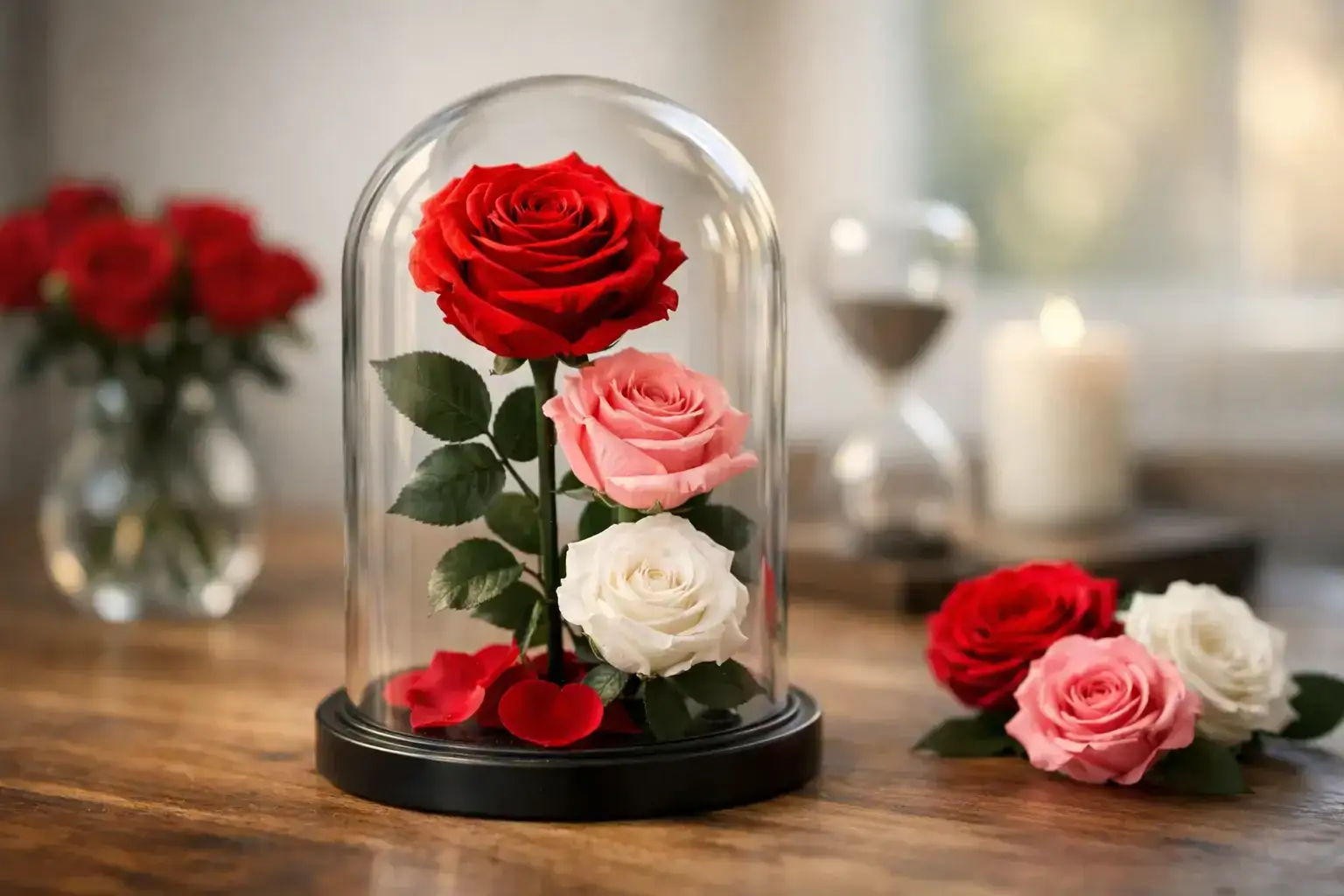
The container matters, too. Roses displayed in a covered acrylic case or a structured hat box are naturally better protected from dust and accidental contact than single stems left on an open shelf. Large luxury rose presentations can make a striking statement in an office, entryway, bedroom, or hotel suite while staying remarkably low-maintenance.
For a meaningful occasion, that longevity changes the value of the gift. Fresh roses create a beautiful immediate moment. Preserved roses extend that moment, becoming part of a desk, vanity, reception area, or home décor long after the celebration has passed.
Preserved Roses vs. Fresh and Dried Roses
Choosing among fresh, preserved, and dried roses depends on the experience you want to give.
Fresh roses bring fragrance, natural movement, and the unmistakable romance of a new bouquet. They are the right choice for a dinner table, a birthday delivery that needs immediate color, a wedding, or any occasion where scent and seasonal flower variety matter. They also require water, trimming, and attentive care, and their beauty is brief by design.
Dried roses have their own vintage appeal, but they are usually more fragile. Drying removes moisture without fully conditioning the bloom to retain its soft texture. Their petals often become crisp, muted, and more prone to shedding.
Preserved roses sit between those two options. They are real flowers with an elevated, lasting finish. They do not offer the same fragrance or organic freshness as a vase of newly cut roses, but they require no watering and can keep their polished appearance for far longer. For an anniversary, a milestone birthday, corporate gift, or luxury romantic gesture, that trade-off often makes perfect sense.
Care Tips That Protect Your Rose Box
Preserved roses are easy to care for because the most important rule is also the simplest: leave them alone. They do not need water, floral food, refrigeration, or petal spray. In fact, well-meaning care can shorten their life.
Keep the arrangement indoors in a cool, dry place. In Las Vegas, that means avoiding a sunny windowsill, an outdoor patio, or a spot near a strong air vent. Desert heat and direct light can fade color and dry petals more quickly, while a humid bathroom or kitchen can introduce moisture that the roses do not need.
For the best results, follow these essentials:
- Do not water the roses or remove them from their designed box unless the florist has instructed you to do so.
- Keep them away from direct sunlight, heaters, fireplaces, and humid spaces.
- Avoid touching or rearranging petals. Oils and pressure from hands can mark delicate blooms.
- Use a gentle burst of cool air from a distance if light dust collects. Never use water, cleaning sprays, or a vacuum.
If the rose box is traveling as a gift, keep it level and out of extreme heat. A preserved arrangement is built for display, not for being carried around in a car all afternoon. For hotel deliveries, office surprises, or event gifting, the recipient should place it indoors soon after arrival.
What Affects How Preserved Roses Age?
Color is one of the first details people notice over time. Deep red, black, and jewel tones often hold their visual presence well, while lighter shades can reveal fading more noticeably if they sit in bright light. That does not mean pale roses are a poor choice. It simply means placement matters more.
Climate control also makes a difference. A consistently air-conditioned home or office is generally a favorable setting. Sudden temperature swings, steamy rooms, and prolonged exposure to dry, hot airflow can work against the preservation treatment.
Handling is another factor. A single preserved rose under glass may be easy to protect. A large-format box of 50 or 100 roses invites admiration, but each bloom should remain in place. These are design pieces, arranged intentionally for proportion, color balance, and presentation. Moving petals around can disrupt that finished look.
Finally, quality matters. Properly preserved roses are selected and treated to maintain a premium appearance. A lower-quality product may look attractive on day one but fade, stiffen, or shed more quickly. When the gift represents a major moment, professional floral craftsmanship is worth considering.
When a Preserved Rose Gift Is the Right Choice
Preserved roses are especially effective when the gift itself is meant to stay visible. They make sense for a long-distance romance that needs a reminder on the recipient’s desk, a proposal keepsake, an executive office, a grand opening, or a milestone anniversary where ordinary flowers may feel too fleeting.
They are also practical for people who travel, work long hours, or do not want another item that requires weekly upkeep. There is no vase to refill and no moment when the recipient realizes the bouquet has reached the end of its life. The arrangement remains composed and gift-ready.
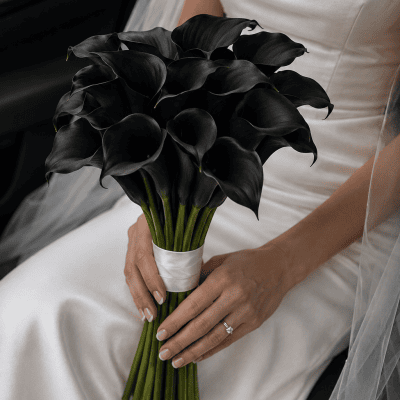
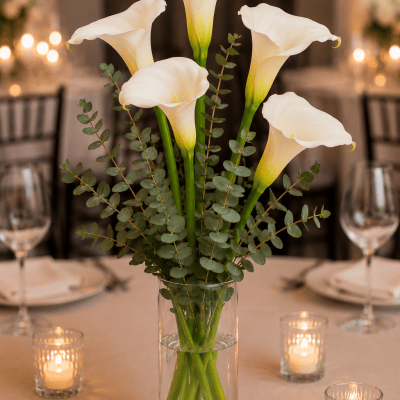
For events, preserved roses can be a beautiful accent or favor, but fresh flowers may still be the better choice for installations, bridal bouquets, and centerpieces that need a natural fragrance and a specific just-picked look. The best option depends on whether the priority is a dramatic one-day floral experience or a keepsake that continues afterward.
A well-made preserved rose box is more than décor. It is a deliberate way to give beauty extra time. Choose a color that suits the recipient, place it away from heat and harsh light, and let the arrangement do what it was designed to do: keep the occasion in view long after the card has been read.