You notice centerpieces the second you walk into a reception. They set the tone before dinner is served, before the speeches start, before the first dance pulls everyone to the floor. If you’re figuring out how to order wedding centerpieces, the real goal is not just choosing pretty flowers. It’s choosing arrangements that fit the room, the tables, the timeline, and the kind of experience you want guests to have.
That is where many couples get stuck. A centerpiece can look perfect in a photo and still be wrong for your reception. It may be too tall for conversation, too small for the table, too delicate for a long setup window, or too expensive once you multiply it by 12 or 20 tables. Ordering well starts with decisions that are practical first and beautiful second. The best wedding flowers do both.
How to order wedding centerpieces without overbuying
Start with your table count, not your flower wishlist. Before you talk varieties, colors, or vase styles, confirm how many guest tables you have, what shapes they are, and how many people will sit at each one. Round tables, banquet tables, sweetheart tables, cocktail tables, and bar arrangements all call for different floral proportions. When those details are fuzzy, flower quotes get fuzzy too.
Next, think about the room itself. A ballroom with high ceilings can handle taller centerpieces or fuller designs with stronger visual presence. A restaurant reception or low-ceiling venue usually works better with compact, lush arrangements that feel polished rather than oversized. Candlelight, charger plates, linens, and chair styles also affect what reads as balanced. Flowers do not exist on their own once they reach the table.
Budget matters here, and not in a vague way. A centerpiece price that feels reasonable on its own can become the biggest floral line item once it is repeated across the room. If you want premium blooms like garden roses, orchids, peonies in season, or elevated vessel styles, you may need fewer statement tables and more understated companion pieces. That trade-off often creates a stronger overall look than trying to make every table identical.
Know your centerpiece style before you place the order
Most couples do better when they choose a style direction in plain language instead of chasing Pinterest-perfect terms. You do not need a designer vocabulary to get this right. You need a clear preference.
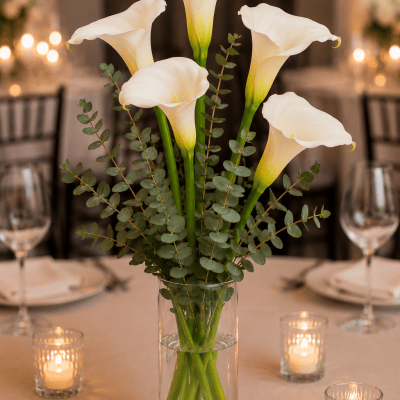
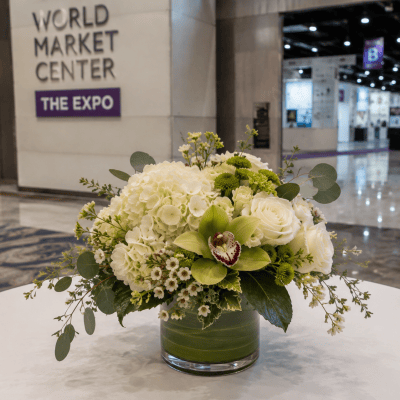
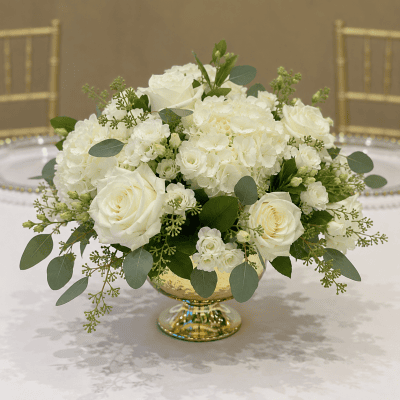
Low centerpieces feel intimate and practical. Guests can talk across the table, servers can move easily, and the room usually feels warmer. These designs are a strong fit for receptions where dinner and conversation are a big part of the night.
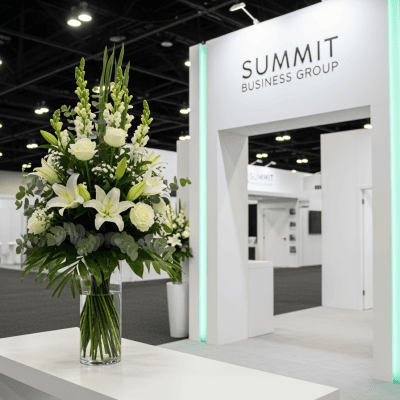
Tall centerpieces create drama and give the room a luxury event look. They work especially well in larger venues where low arrangements may disappear visually. The catch is that height only works if the design begins well above eye level. Anything hovering in the middle can block sightlines and feel awkward.
Mixed centerpiece packages are often the smartest choice. A combination of tall and low arrangements adds movement to the room and usually makes the floral budget work harder. With the right palette and vessels, the tables still feel coordinated, but the overall design feels more custom and less repetitive.
What your florist needs from you
Ordering wedding centerpieces goes much faster when you bring the right information upfront. A florist can guide you on flower choices and design strategy, but they still need the event details that shape the proposal.
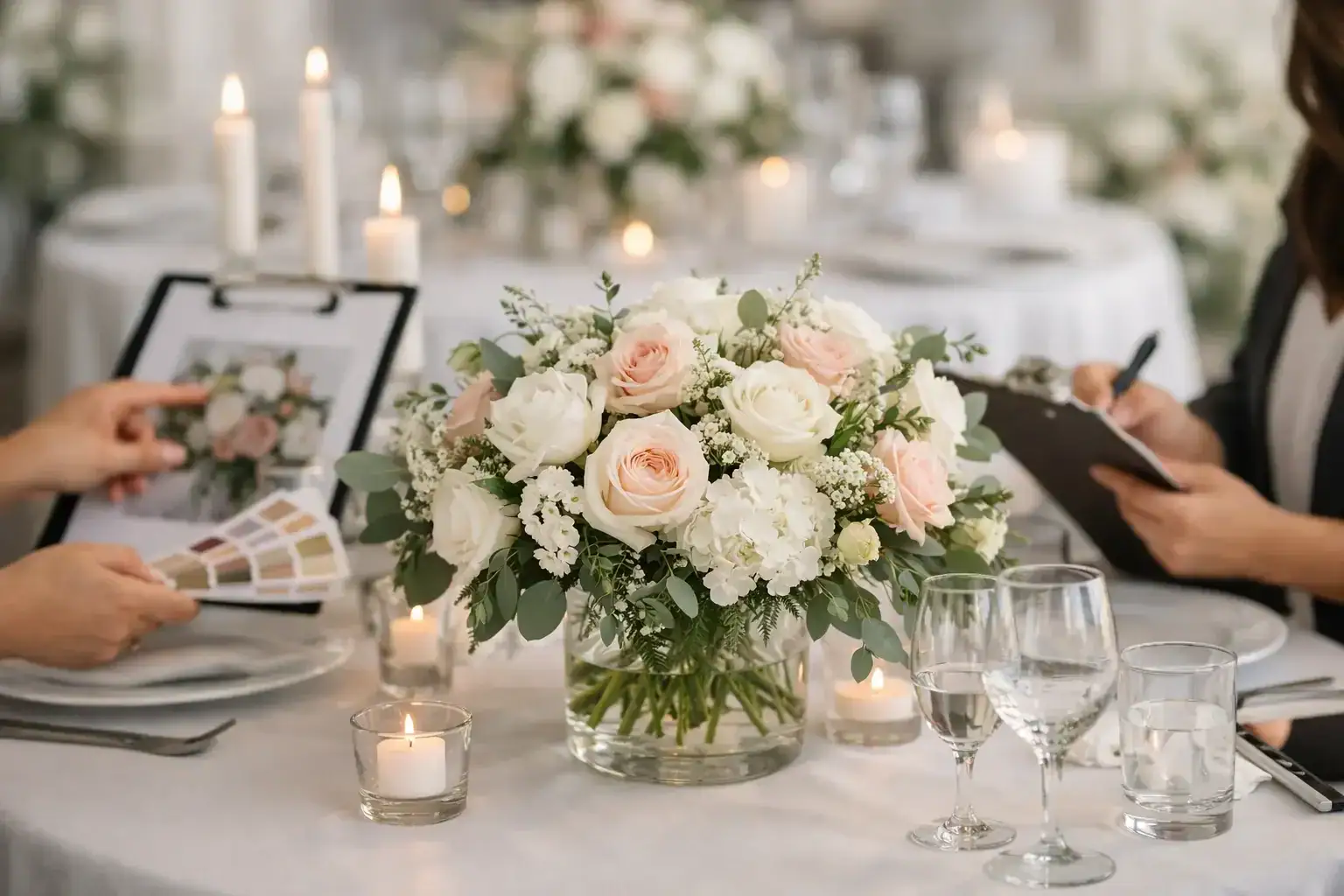
The basics are your wedding date, venue, delivery address, setup window, table count, and estimated budget range. After that, bring photos of your venue, sample linen colors, and inspiration images that show what you actually like. The key is to share photos for pattern recognition, not exact duplication. Flowers are seasonal, recipe costs change, and every florist has a design style.
Color is another place where clarity helps. Saying “white and soft neutrals” or “ivory, blush, and champagne” is more useful than saying “romantic” and assuming everyone pictures the same thing. If you want a cleaner modern look, say that. If you want lush garden-style flowers with movement, say that too.
If your reception is in Las Vegas or Henderson, timing and logistics deserve extra attention. Hotel ballrooms, resort loading docks, convention-adjacent venues, and tight setup windows can all affect the design plan. A florist who regularly handles local event delivery will know how to account for access restrictions, heat, and turnaround times without building stress into your wedding day.
Flower choices, seasonality, and realistic expectations
This is the part couples often underestimate. Not every flower is available at every time of year, and not every flower holds up the same way throughout an event. If your wedding is in a hot-weather season, delicate blooms may need more careful handling than sturdier varieties.
That does not mean you have to compromise on style. It means you should stay flexible on the exact stem recipe. A good florist can recreate the overall feel of your inspiration using blooms that are seasonally stronger, more cost-effective, or better suited to your timeline. The shape, fullness, and color story usually matter more than whether one specific flower makes the cut.
Some flowers naturally create a luxury look with fewer stems. Others require volume to have impact. That affects price quickly when repeated across multiple tables. If your budget is tight, greenery-forward designs, selective premium blooms, or mixed-height layouts can give you a more elevated result than insisting on one expensive flower throughout every centerpiece.
How to compare centerpiece quotes fairly
Not all quotes describe the same thing, even when the number looks similar. One florist may price a low centerpiece in a simple glass vase. Another may include premium vessels, upgraded blooms, candles, delivery, on-site setup, and post-event pickup. The lower quote is not always the better value.
Ask what is included in each price. You want to know the approximate size of the arrangement, vessel style, bloom level, labor, delivery, setup, and any rental or pickup fees. If candles are part of the look, confirm whether they are included and whether your venue allows open flame.
It also helps to ask where flexibility exists. Sometimes a florist can preserve the overall look by adjusting flower variety, vessel selection, or count per table rather than cutting quality across the board. If the quote is over budget, the answer is not always “smaller flowers everywhere.” It may be a smarter mix of statement moments and supporting pieces.
Timing matters more than people think
If you want the best selection and the least stress, order early. Wedding centerpieces are not a same-day category, especially when they need to coordinate with bouquets, ceremony flowers, arches, and reception installations. Even if your wedding is months away, getting the conversation started early gives you more control.
A good target is to begin florist discussions once you have your venue, date, and estimated guest count. You do not need every linen and menu detail finalized before you reach out. You do need enough information for a florist to build a realistic plan.
Final counts and adjustments usually happen closer to the wedding. That is normal. Guest numbers change. Table layouts change. Maybe you add a sweetheart table arrangement or decide cocktail tables need a floral touch after all. Ordering early does not lock you into every micro-detail. It simply protects your timeline and gives your florist room to execute well.
The most common ordering mistakes
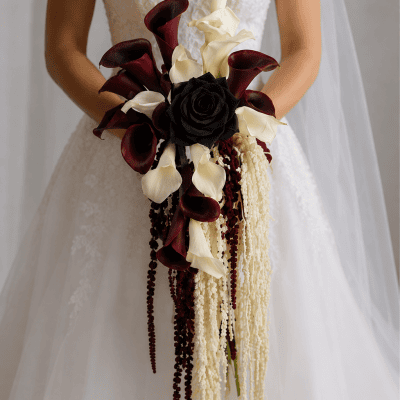
One mistake is choosing centerpieces in isolation. Your reception flowers should work with the bridal bouquet, ceremony florals, and room decor, not compete with them. Another is underestimating vessel style. The container changes the look just as much as the flowers do. Modern compotes, clear glass, gold pedestal bowls, and sleek cylinder vases all tell different design stories.
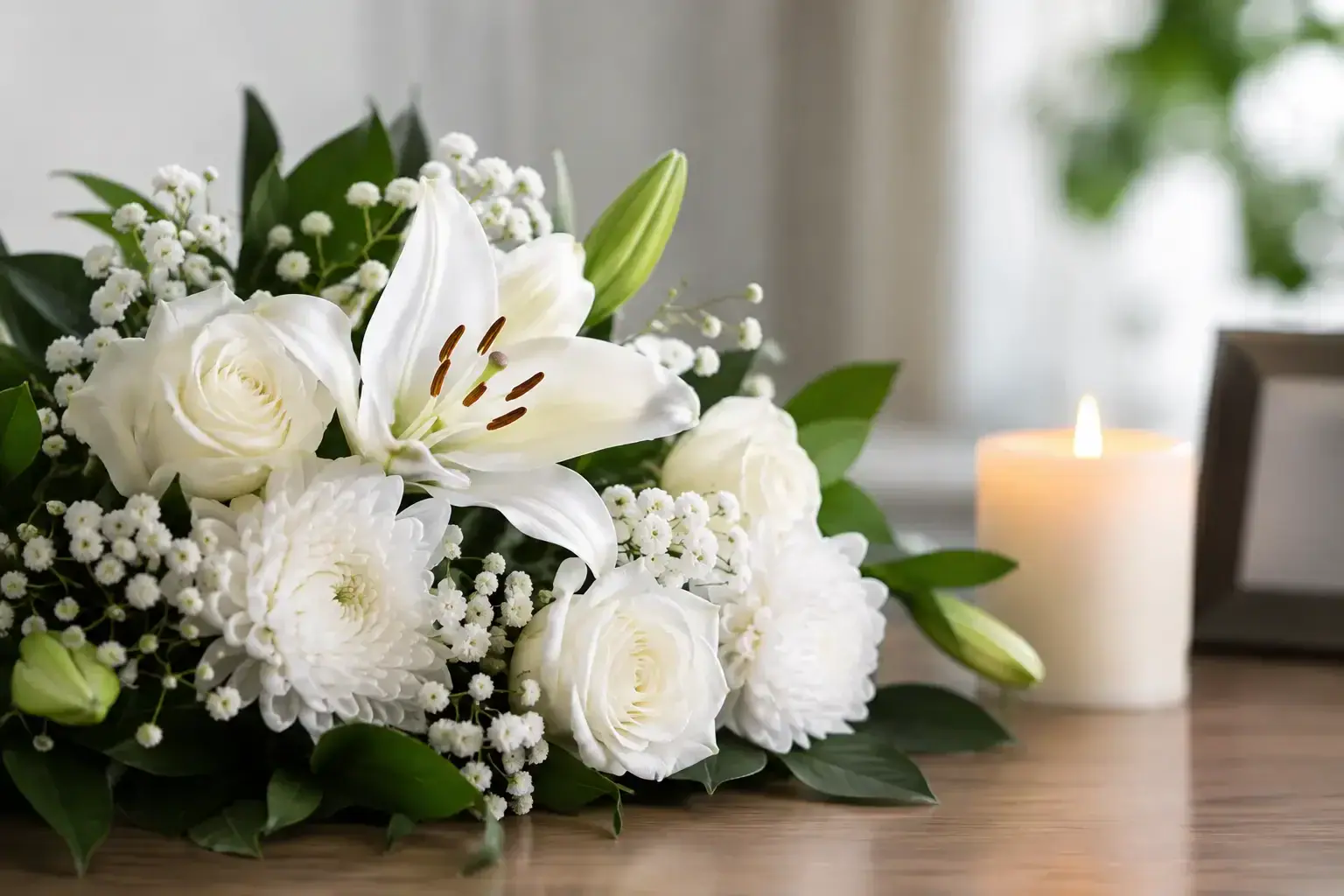
Another common issue is forgetting guest experience. Tall centerpieces need proper clearance. Low centerpieces need enough presence to avoid looking flat next to plates, glasses, and candles. Strong scent can also be a problem at dinner tables, so heavily fragrant blooms should be used thoughtfully.
Then there is the weather factor. In a market like Las Vegas, floral planning should always account for transport, setup timing, and venue conditions. Heat and direct sun are not design details, but they absolutely affect design choices.
How to place the final order with confidence
By the time you are ready to book, you should know your centerpiece count, style direction, budget comfort zone, and what level of service is included. That is what turns floral ordering from guesswork into a clean decision.
This is also the moment to trust professional guidance. If your florist recommends a sturdier flower mix, a different vessel scale, or a mixed-table approach, that advice usually comes from experience with actual event performance, not theory. Beautiful flowers matter. Flowers that arrive on time, fit the space, and still look polished deep into the reception matter more.
A wedding centerpiece should earn its place on the table. When you order with clear priorities and the right florist, your flowers stop being one more thing to manage and start becoming one of the details guests remember.