A reception table should feel finished before the first champagne glass is poured. The right centerpiece sets the mood, supports your color palette, and gives every guest a sense that the celebration was designed with care. Knowing how to plan bridal centerpieces means balancing beauty with practical details such as table shape, venue lighting, guest sightlines, flower availability, and the realities of your setup schedule.
For Las Vegas weddings, that planning also includes logistics. Ballroom, resort, rooftop, garden, and private-estate receptions all call for a different approach. A flower design that looks dramatic in a grand hotel ballroom may overwhelm an intimate restaurant table. Start with the room, then let the flowers bring it to life.
Start With the Reception Experience
Before choosing roses, orchids, hydrangea, or tropical stems, decide what you want guests to experience when they enter the room. Formal and romantic receptions often call for layered florals, candles, and a refined palette of whites, blush, champagne, or deep red. A modern reception may feel stronger with sculptural tropical leaves, monochromatic blooms, or clean arrangements in contemporary vessels.
Your centerpieces should coordinate with the bridal bouquet, ceremony flowers, linens, stationery, cake flowers, and any floral installation behind the head table. They do not need to match every detail exactly. In fact, repeating the same arrangement on every surface can make the room feel flat. The goal is a clear visual family: complementary colors, repeated flower varieties, and a consistent level of formality.
Ask one useful question early: do you want the florals to be the main decor statement, or one elegant layer among many? If your venue has sweeping views, architectural ceilings, or richly detailed interiors, centerpieces may work best as polished accents. If the room is more neutral, flowers can carry much more of the visual impact.
How to Plan Bridal Centerpieces by Table Type
Table size and shape determine more than most couples expect. An arrangement that works beautifully on a 60-inch round can feel undersized on a long banquet table or awkward on a narrow rectangular table.
Round tables
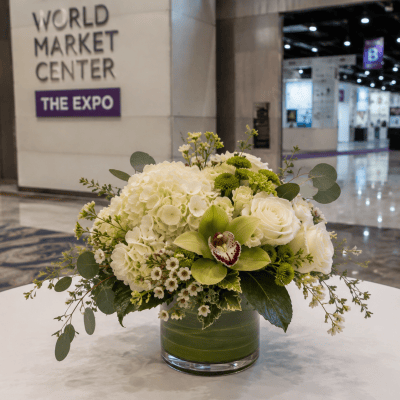
Round guest tables are the most flexible. One centerpiece placed in the middle creates an organized, balanced look. Low floral designs work particularly well when you want easy conversation, a lush garden feel, or a fuller arrangement at a controlled cost. Tall centerpieces bring more drama and can make a large ballroom feel grander, especially when paired with lower designs throughout the room.
For visual variety, consider alternating elevated designs with low arrangements. This creates rhythm across the reception without requiring every table to carry the price of a large luxury centerpiece. Keep the floral recipe and vessels cohesive so the room still feels intentional.
Long banquet and king’s tables
Long tables need movement from end to end. One compact centerpiece in the middle will usually disappear. Instead, plan a floral runner, a series of small arrangements, clusters of bud vases, or greenery accented with blooms and candlelight.
There is a trade-off here. Floral runners can look exceptionally abundant, but they require more product and installation time. Bud-vase groupings offer a lighter, more flexible look and can be an excellent option when you want color and detail without a heavy design on the tabletop.
Sweetheart, head, and family tables
These tables deserve special attention because they appear in many photos. A sweetheart table can support an elevated statement arrangement, a low garden meadow along the front, or a dramatic floral installation around the chairs. Head tables and family tables typically need a design that photographs well from the front while preserving enough tabletop space for place settings and service.
The key is proportion. The most expensive centerpiece is not automatically the most impressive one. A design that fits the table, surrounding decor, and camera angles will always look more luxe than flowers placed without a plan.
Choose a Height That Guests Can Live With
Centerpieces should generally stay low enough to see over or high enough to see under. The difficult middle zone is where arrangements sit directly in a guest’s line of sight, forcing people to lean around flowers during dinner and speeches.
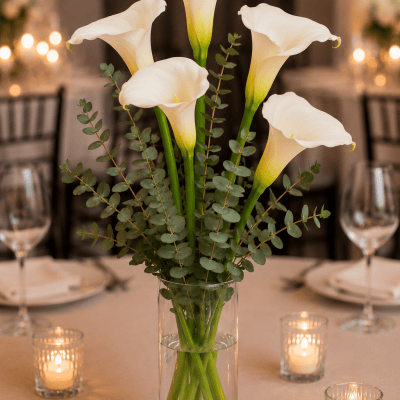
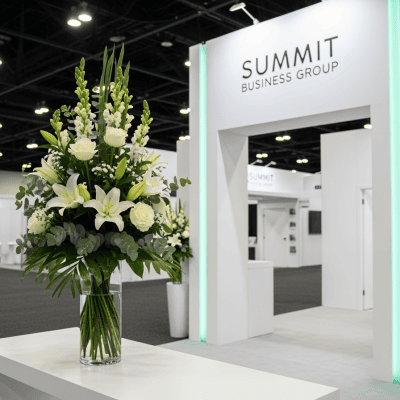
Low centerpieces are approachable, fragrant, and ideal for intimate conversation. They work especially well with candles, fruit, textured linens, and layered vessels. Tall designs create a sense of scale and are often more visible from across a large reception room, but the floral portion should sit above eye level on a slender, stable stand.
If you are planning outdoor florals, prioritize secure mechanics. Wind can shift tall arrangements, open flames may be restricted, and warm Las Vegas conditions can be demanding on delicate blooms. Your florist should recommend varieties, hydration methods, and installation timing that protect the finished look through the reception.
Build Your Flower Plan Around Season, Color, and Budget
Every centerpiece budget is shaped by three factors: the flower varieties you select, the size of each design, and the number of tables. Premium flowers such as orchids, peonies, garden roses, and specialty imported roses make a powerful statement, but they can change the investment quickly. Seasonal flowers and fuller supporting blooms can create an equally polished look when expertly designed.
You do not need to use every bouquet flower in every centerpiece. A bridal bouquet may feature rare blooms and intricate details, while reception florals use complementary flowers in the same palette. That approach protects the overall design vision while allowing the budget to go where it will be noticed most: the bridal party, ceremony focal point, sweetheart table, and key guest tables.
When discussing color, bring inspiration images but stay open to interpretation. Lighting changes everything. A soft blush can look nearly ivory in bright sunlight, while deep burgundy may read almost black in a dim reception room. A skilled florist can adjust flower choices and accent tones so your palette looks right in the venue, not just on a phone screen.
Plan for More Than the Flowers
A centerpiece is a complete table setting, not simply a vase of blooms. Consider how it works beside chargers, menus, wine service, table numbers, favors, and candles. Leave enough clear space for plates and shared dishes. If you are using taper candles, make sure their height and placement do not interfere with sightlines or venue safety requirements.
Vessels matter, too. Clear glass is timeless and light-catching. Gold, black, ceramic, stone, and mirrored bases can change the mood instantly. A luxe floral concept often comes from the combination of vessel, floral density, candlelight, and thoughtful placement – not only from using the most expensive flowers.
Also decide what happens after the reception. Some couples move ceremony arrangements to the head table or entrance to extend their value. Others send centerpieces home with family members or raffle them off near the end of the night. These plans should be shared in advance so the floral team can design pieces that can be moved safely and efficiently.
Set a Clear Floral Timeline
Begin floral conversations once you know your date, venue, guest count, and approximate table count. You do not need every linen or stationery detail finalized to start. Early planning gives you time to reserve specialty flowers, compare centerpiece styles, and make smart choices before the final weeks become crowded with decisions.
A few weeks before the wedding, confirm the final table layout, centerpiece count, delivery window, access instructions, and teardown needs. This is especially valuable for Las Vegas Strip hotels, convention-area venues, and properties with strict loading-dock schedules. Beautiful flowers still need to arrive at the right door, at the right time, with a team that understands the venue flow.
At VIP Floral, wedding floral planning is built around that event-day confidence: designs matched to the room, carefully prepared for transport, and installed with the level of polish a milestone celebration deserves.
The most memorable bridal centerpieces do more than fill the center of a table. They make the room feel like yours, invite guests into the celebration, and hold their beauty through every toast, course, and late-night photo.