You usually notice the missing flowers too late – when the bouquets are perfect, the aisle looks polished, and then someone asks what’s going on the welcome table or who ordered petals for the flower girl. A wedding flower checklist printable fixes that fast. It gives you one clean place to track personal flowers, ceremony pieces, reception arrangements, and the small extras that quietly shape the whole event.
For couples, planners, and anyone managing a wedding on a real budget and a real timeline, the goal is not to order more flowers. The goal is to order the right flowers, in the right quantities, at the right moment. That sounds simple until you realize weddings have moving parts, venue rules, delivery windows, setup access, and seasonal availability all working in the background.
What a wedding flower checklist printable should include
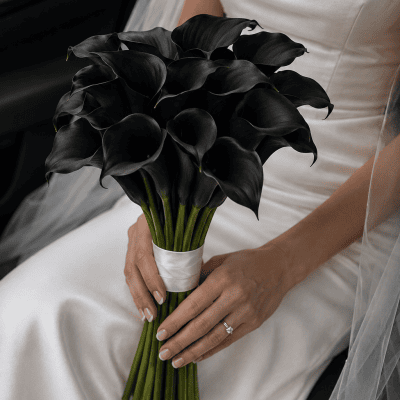
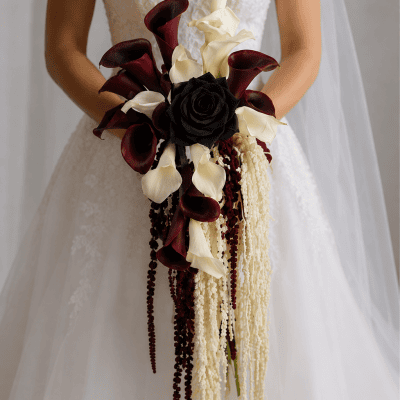
A useful checklist starts with personal flowers because those are the pieces that are easiest to name and hardest to forget once you see them on paper. That usually means the bridal bouquet, bridesmaid bouquets, boutonnieres for the groom and groomsmen, corsages for mothers and grandmothers, and boutonniere options for fathers, grandfathers, officiants, or ushers. If there are flower crowns, toss bouquets, hair flowers, or floral collars for pets, they belong here too.
Then come ceremony flowers. This is where many budgets shift because ceremony flowers can range from minimal to dramatic with very little middle ground. Your printable should have space for entrance arrangements, aisle markers, altar flowers, chuppah or arch florals, ground meadows, chair flowers, pew markers, and petals. If your ceremony and reception are in the same venue, note which pieces can be repurposed. That one detail can save a meaningful amount of money without making the design feel scaled back.
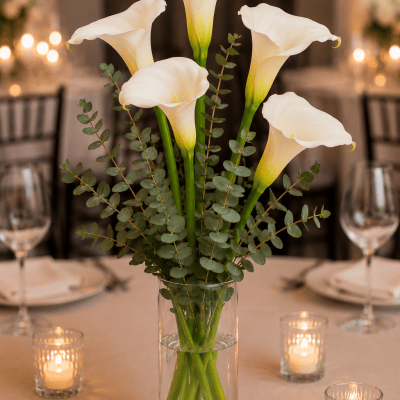
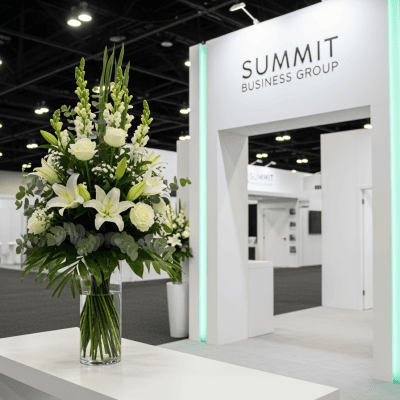
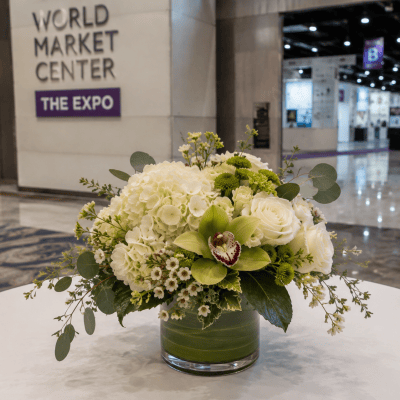
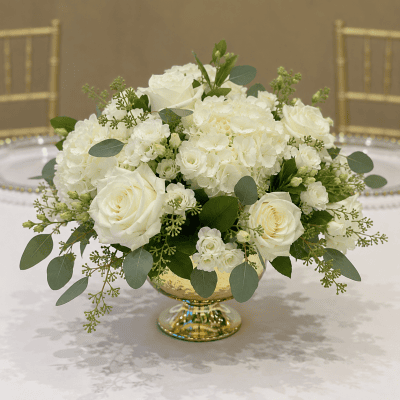
Reception flowers deserve their own section because they often involve more decisions than couples expect. Centerpieces are the obvious line item, but not the only one. A complete checklist should also cover cocktail table flowers, sweetheart table flowers, head table arrangements, cake flowers, bar flowers, escort card or welcome table pieces, restroom florals, and any statement installation above the dance floor or stage. If the venue is already visually strong, especially in Las Vegas where many spaces carry built-in impact, you may not need florals in every corner.
The printable is only helpful if it tracks decisions
A blank list of flower items is a start, not a plan. The best wedding flower checklist printable includes room for quantity, color palette, style notes, delivery location, and priority level. Priority matters more than most people think. If your budget tightens, you need to know what stays, what scales down, and what can go.
For example, a bridal bouquet and ceremony entry flowers might be top priority, while bathroom bud vases or extra bar arrangements may be nice to have. Writing that down early prevents emotional decision-making later, when every floral detail suddenly feels essential.
It also helps to add a column for reuse. Ceremony aisle flowers can sometimes become cocktail table flowers. Arch flowers can move behind the sweetheart table. Large statement pieces may be divided into smaller arrangements after the ceremony. Not every floral design can be moved, and not every venue timeline allows for it, but when it works, it works well.
Wedding flower checklist printable by category
Personal flowers
This section should cover everyone who wears or carries flowers. Beyond the couple and wedding party, think through family members, readers, hosts, and anyone with a formal role. If you are having a cultural ceremony, include any floral traditions that are specific to that celebration. A standard checklist can miss those unless you build in space to customize it.
Ceremony flowers
This section should reflect how guests actually experience the space. Start with the first visual point they see, then move toward the altar or focal area. If your ceremony is outdoors, note heat, wind, and sun exposure. Certain flowers hold better than others, and placement matters. A gorgeous arrangement in direct afternoon sun may not look the same an hour later.
Reception flowers
Think in layers rather than a single centerpiece line item. Guest tables, food stations, lounge areas, signage moments, and the cake display all contribute to the look of the room. That does not mean every surface needs flowers. It means your printable should help you see where florals will have the most impact.
How to use the checklist without overspending
The most expensive floral plan is usually the one that changes too often. A printable helps you lock in the framework before you get distracted by individual stems, trending color names, or social media photos taken in completely different venues.
Start with your guest count, venue style, and overall floral priorities. A ballroom reception often needs a different floral strategy than a restaurant buyout or outdoor garden ceremony. High ceilings, dark interiors, mirrored surfaces, and long banquet tables all affect how much floral presence you actually need.
From there, decide where you want abundance and where you want restraint. If you want a lush bridal bouquet and a full floral arch, you may choose simpler reception centerpieces. If your reception is the main visual moment, you might keep the ceremony more tailored and move those flowers afterward. There is no single right split. It depends on your timeline, photography priorities, and venue layout.
A strong florist can help you value-engineer without making the design feel diluted. That may mean using premium blooms in focal pieces and complementary flowers elsewhere, leaning into candles and vessels for volume, or choosing in-season flowers that deliver shape and color without specialty pricing.
Questions your printable should answer before you order
A checklist becomes genuinely useful when it forces clear answers. Who needs flowers, exactly? Which tables need arrangements and how many? What is being delivered to the getting-ready location versus the venue? Who is pinning boutonnieres? What time can the florist access the ceremony site? What can stay in place, and what must be moved before guests enter the reception?
These practical questions matter because floral design is not just about style. It is also logistics. In a city with tight venue schedules, hotel loading rules, and fast event turnarounds, timing can be as important as flower selection. That is one reason couples often prefer an experienced local florist rather than trying to piece together a plan from generic templates alone.
When a simple checklist is enough – and when it isn’t
For a smaller wedding, micro wedding, or elopement dinner, a printable may be all you need to stay organized. If your floral order includes a bouquet, a few personals, and several centerpieces, the checklist can keep everything clean and easy to approve.
For larger weddings, the printable should be the starting document, not the only document. Once you add installations, multiple delivery points, room flips, or custom builds, you need a more detailed production plan behind the scenes. That is where working with a full-service florist becomes less of a luxury and more of a safeguard.
VIP Floral has seen this firsthand across Las Vegas weddings where beautiful design has to meet real timing, venue rules, and guest-facing expectations. The flowers need to look elevated, arrive on time, and make sense for the space.
Build your own version of a wedding flower checklist printable
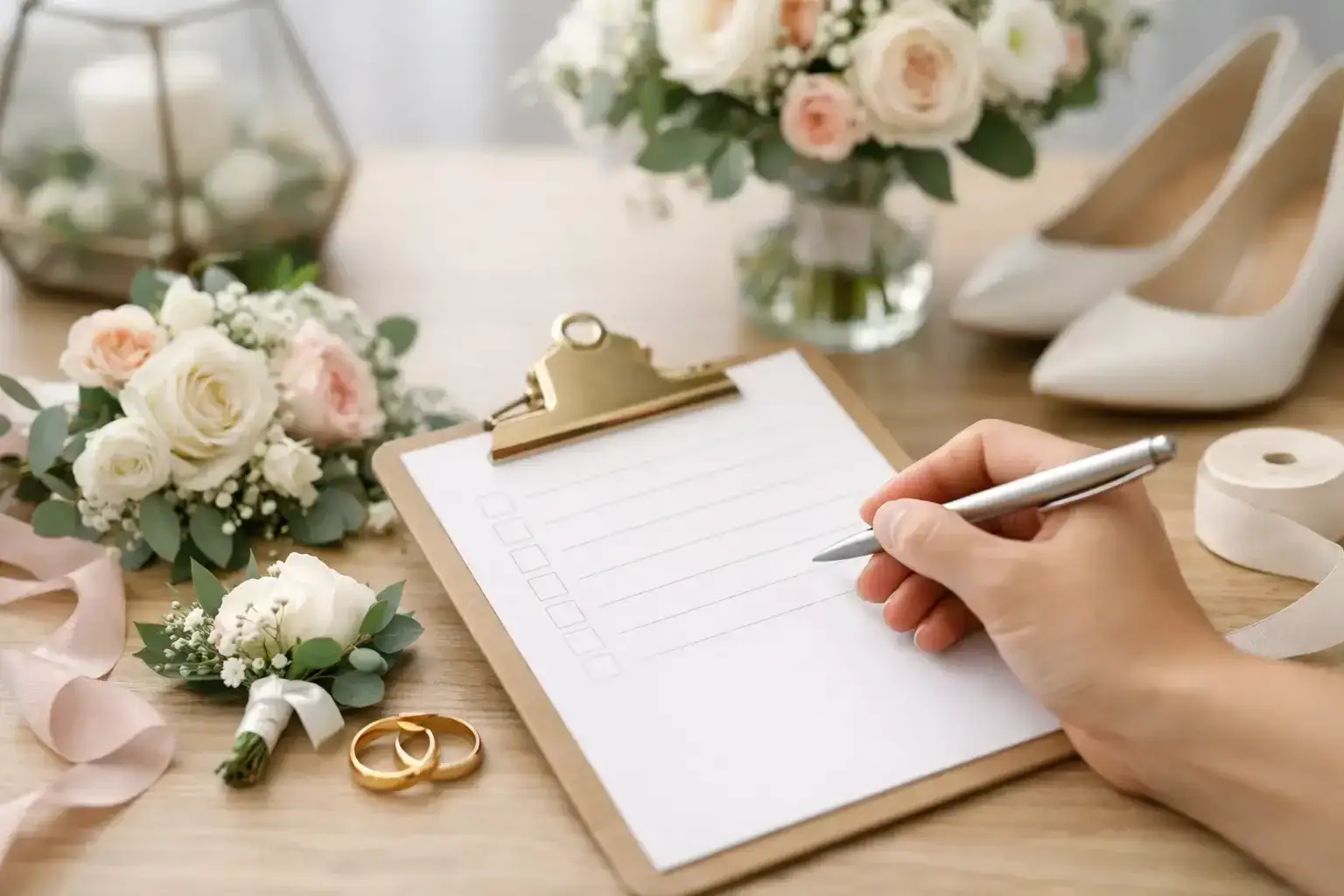
If you are making one from scratch, keep it straightforward. Create sections for personal flowers, ceremony flowers, and reception flowers. Under each item, add columns for quantity, color or flower notes, budget range, delivery location, setup notes, and whether the piece can be repurposed.
Leave space at the bottom for final confirmations. Include your event date, venue names, contact person, and a last-review section for anything still pending. That final review space matters because floral plans often change after the seating chart, weather forecast, or rental count is finalized.
The best printable is not the prettiest one. It is the one that helps you make clean decisions quickly, communicate clearly with your florist, and spot gaps before they become day-of problems.
Flowers are one of the first things guests notice and one of the last things you want to second-guess. A well-built checklist keeps the process organized, the design intentional, and the final result worthy of the moment.