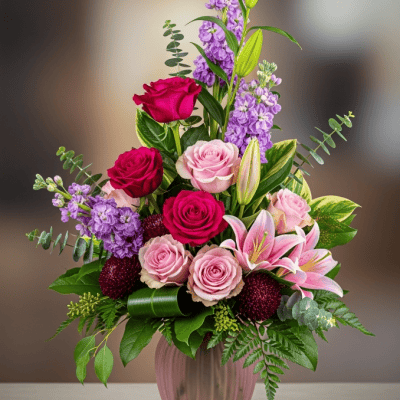
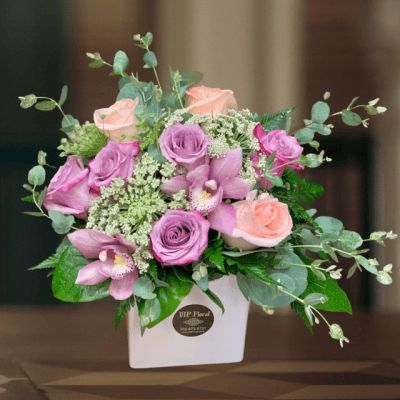
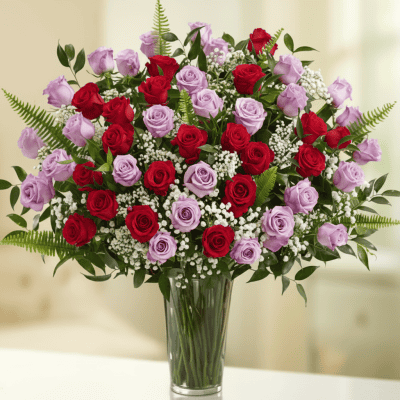
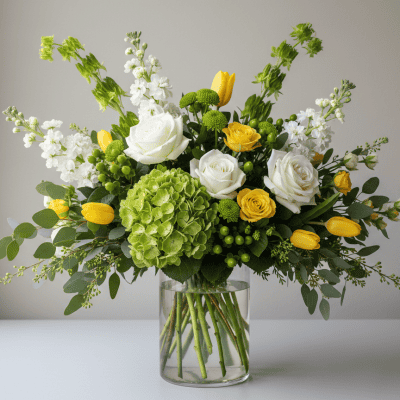
A hotel lobby has only a few seconds to make its point. Guests notice the arrival scent, the lighting, the front desk, and the flowers before they read a sign or speak to a team member. Knowing how to plan hotel lobby flowers means designing for that moment while building a program your operations staff can maintain without surprises.
For Las Vegas hotels, resorts, convention properties, and boutique stays, lobby flowers have to do more than look beautiful in a photo. They need to hold up in dry conditions, complement a high-traffic space, support the property’s brand, and arrive on a dependable schedule. The strongest designs feel effortless to guests because every practical detail was decided well before the flowers reached the lobby.
Start With the Guest Experience You Want to Create
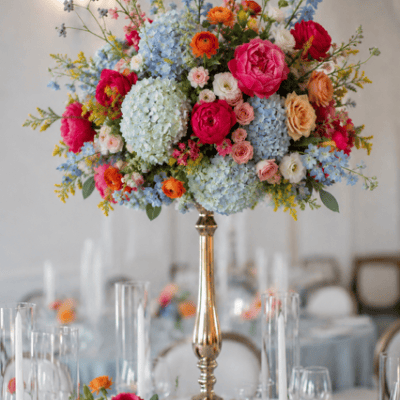
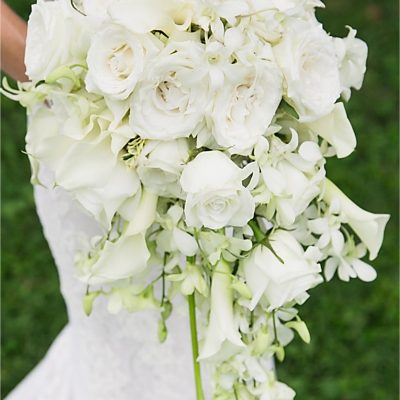
Begin with the question guests should be able to answer without being asked: what kind of stay is this? A refined business hotel may call for sculptural orchids, crisp white florals, and clean greenery. A high-energy resort or casino property can carry richer color, tropical foliage, oversized vessels, and bolder weekly statements. A boutique property may benefit from seasonal stems, interesting texture, and a more collected, residential look.
Flowers should reinforce the existing interiors rather than compete with them. Study the lobby’s strongest materials and colors: marble, brass, dark wood, velvet, desert stone, vivid art, or neutral upholstery. Pulling one or two subtle colors from the room usually creates a more expensive result than trying to introduce every color at once.
Also consider who moves through the lobby. Leisure guests may respond to drama and color. Corporate travelers often value an orderly, polished arrival. A convention hotel may need florals that read beautifully from a distance and retain their shape through constant traffic. There is no single luxury formula. The right approach depends on the guest, the property, and the visual promise being made at check-in.
How to Plan Hotel Lobby Flowers by Zone and Scale
A lobby is rarely one floral location. Treat it as a series of guest touchpoints. The main entrance or reception desk generally deserves the largest visual moment, while concierge stands, elevator banks, lounge tables, and restroom vanities need smaller, purposeful designs.
Scale is where many hotel flower programs lose impact. A small arrangement on a large check-in desk looks incidental, while an overly tall design can block sightlines between guests and staff. Measure the vessel location, confirm viewing angles, and account for the surrounding architecture. For a substantial round lobby table, a generous, low arrangement may be ideal. For a tall console against a wall, an elevated orchid or branch design can add vertical presence without interrupting conversation.
Use height strategically. Low florals work well where people need to speak across a surface. Taller pieces belong where they can be viewed from a distance, such as an entry plinth, lobby corner, or statement table. If the arrangement sits near a revolving door, elevator entrance, or service corridor, secure the vessel and avoid fragile stems that can snag or shed.
A practical zone plan should define the number of arrangements, approximate size, vessel style, delivery access, and replacement frequency for each location. This gives the florist and hotel team a shared standard, especially when several staff members oversee the space.
Choose Flowers That Match the Maintenance Reality
The most photogenic stem is not always the best choice for a seven-day hotel placement. A successful lobby program balances premium appearance with vase life, temperature exposure, and service cadence.
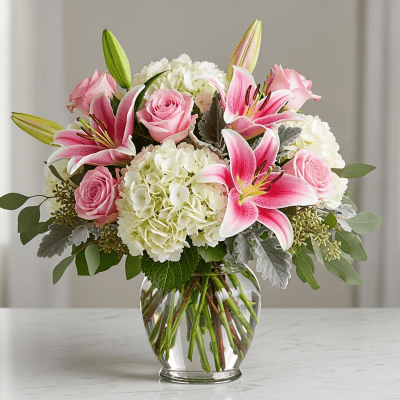
Orchids, anthuriums, tropical leaves, roses, hydrangea, calla lilies, and long-lasting greens can all have a place in lobby work. The final selection should reflect the environment. A heavily air-conditioned lobby may affect some blooms differently than a sunny entrance. In Las Vegas, arrangements placed near glass doors, valet areas, or direct afternoon light need special attention because heat and low humidity can shorten flower life quickly.
Fresh-cut floral arrangements often perform best with weekly service, though high-touch areas or large statement designs may benefit from more frequent checks. Permanent botanicals can work in difficult locations, but they should be used selectively and maintained carefully. Dusty or faded faux stems work against a premium hotel experience faster than no flowers at all.
Scent deserves the same consideration. Strongly fragrant lilies or heavily perfumed blooms can be beautiful, yet they are not right for every public lobby. Guests may have sensitivities, and hotel scent systems can clash with floral fragrance. If scent is part of the experience, keep it light and intentional.
Build a Palette With a Reason to Return
A lobby floral program should feel consistent enough to be recognizable and fresh enough to avoid becoming background decor. This is where a seasonal framework helps.
Choose a core direction that reflects the property year-round. It might be white and green with seasonal accents, warm desert neutrals with textural foliage, or a lush tropical palette. Then rotate the flowers, tones, and vessel details within that direction. Guests see an evolving display, while the hotel keeps a cohesive visual identity.
Major weekends, conventions, weddings, holiday periods, and VIP arrivals can justify a more elevated installation. Plan these upgrades early. Specialty product, custom vessels, and large-format arrangements require more lead time than a standard weekly refresh, particularly during busy event seasons.
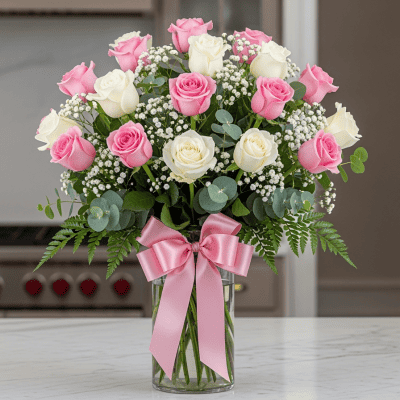
Avoid designing only for the calendar. A bright red arrangement may work for a Valentine’s promotion, but it may conflict with a serene wellness brand or a lobby dominated by cool-toned interiors. Seasonal flowers should support the hotel’s look, not override it.
Set the Service Schedule Before You Set the Budget
A hotel does not need flowers once. It needs a dependable program. Before approving designs, clarify how often arrangements will be delivered, refreshed, cleaned, and removed. Confirm whether the florist handles vessel pickup and rotation, water checks, stem replacements, and disposal of aging product.
Delivery timing matters. The ideal service window is often early morning, between major guest-flow periods, or during a scheduled loading-dock appointment. A beautiful arrangement delivered at the wrong time can create unnecessary disruption for the front desk, valet, and housekeeping teams.
For properties with frequent meetings and group arrivals, establish a clear contact protocol. The florist should know who can approve substitutions, where deliveries enter, which elevator or corridor to use, and when lobby furniture may be moved. These operational details are not glamorous, but they protect the presentation guests see.
When speed matters, a local full-service florist is especially valuable. VIP Floral has served Las Vegas since 2004 and can support time-sensitive floral needs with same-day delivery options for last-minute VIP arrivals, lobby refreshes, or event additions. For recurring hotel work, however, planning ahead remains the best way to secure the most distinctive product and design direction.
Budget for Presence, Not Just Stem Count
Hotel flower budgets vary widely, but the most useful budgeting conversation is about visibility and consistency. A single large, well-designed centerpiece in the right location can create more impact than several undersized arrangements spread throughout the lobby.
Your budget should account for flowers, vessel rental or purchase, design labor, delivery, installation, refresh service, and seasonal upgrades. It should also allow for occasional replacements after spills, guest interference, or unexpected events. Asking a florist to quote by placement and service level, rather than only by arrangement size, creates a clearer picture of the ongoing investment.
There are trade-offs. Premium blooms and custom styling elevate the experience but may require a larger weekly budget. More durable foliage-forward designs can extend visual life and help control costs. The answer is usually not to reduce every arrangement. Instead, concentrate the investment where guests naturally pause, photograph, and form their first impression.
Make the Florist Part of the Operations Team
The best hotel floral partner understands that design is only half the job. They should be able to translate brand standards into repeatable arrangements, communicate substitutions before delivery, protect public-space safety, and arrive when promised.
Share photos of the lobby in natural and evening light, floor plans when available, brand materials, upcoming event dates, and any restrictions on fragrance, water, height, or access. Ask for a proposed visual direction and a service plan that covers routine weeks as well as peak periods. If your property has multiple entrances or public spaces, request a phased rollout rather than guessing at everything at once.
Start with the main lobby statement and one or two supporting locations. Watch how guests and staff interact with the designs over several service cycles. The right program will feel like a natural extension of the hotel: fresh at arrival, polished at checkout, and ready for the next guest before anyone has to ask.