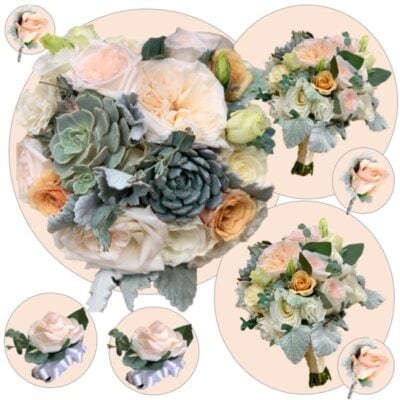
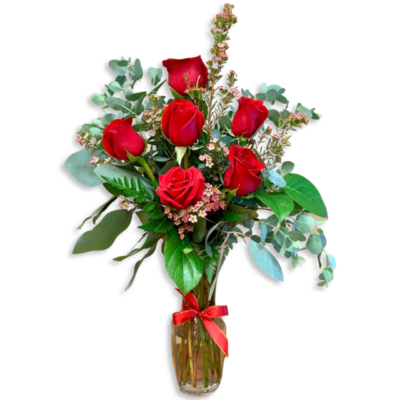
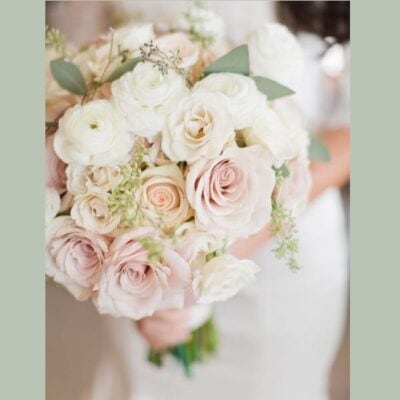
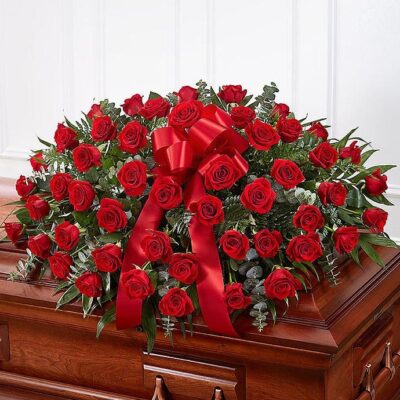
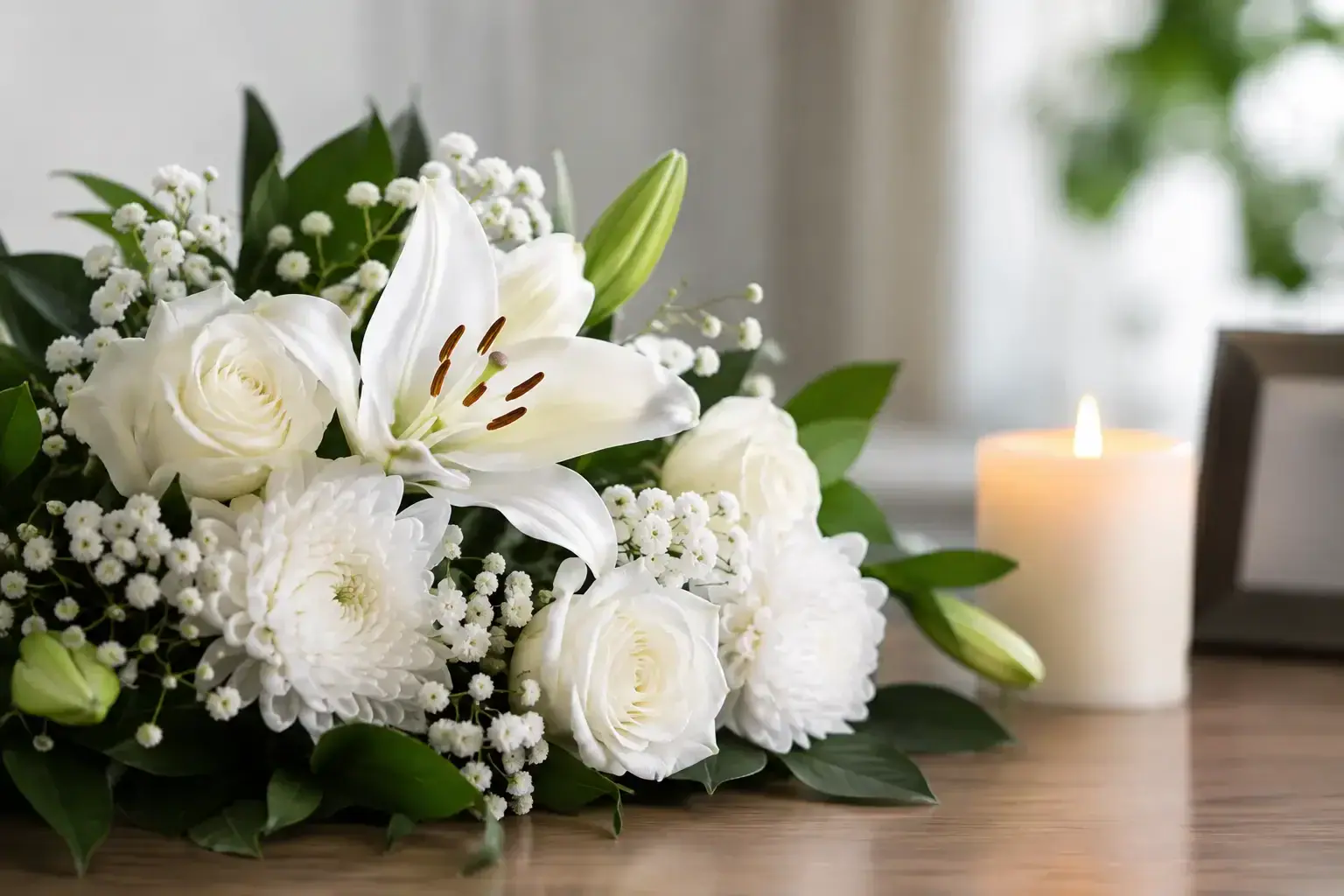
The fastest way to turn wedding flowers into a last-minute problem is to treat them like a finishing touch. They are not. Your bouquet, ceremony pieces, reception centerpieces, and personal flowers all depend on seasonality, venue rules, design labor, delivery windows, and setup timing. If you are figuring out how to plan wedding flowers timeline, the goal is simple: make decisions early enough that your florist can deliver exactly what the day requires without costly scrambling.
How to plan wedding flowers timeline from the start
Start with the wedding date, the venue, and the visual direction before you start naming flowers. Couples often begin by saying they want white roses, orchids, or something wild and garden-style. That helps, but it is not enough for accurate planning. A florist needs your ceremony and reception locations, estimated guest count, bridal party size, and whether you want floral moments beyond the basics, like a flower wall, sweetheart table install, hanging pieces, or aisle meadows.
The timeline works best when you make major decisions in layers. First comes scope, then budget, then design details. If you reverse that order, you can fall in love with an expensive floral look before you know what it takes to execute it.
9 to 12 months before the wedding
This is the ideal window for a full wedding floral consultation, especially if you are getting married in a peak season or at a busy Las Vegas venue where event calendars move fast. You do not need every detail finalized, but you do need enough direction to get a proposal started.
At this stage, focus on the broad picture. Share your wedding date, ceremony start time, venue names, guest count estimate, wedding party headcount, and inspiration photos. Be honest about your budget range. That number does not scare a good florist away – it helps shape a realistic plan.
If your wedding is formal, large-scale, or design-heavy, this early window matters even more. Premium installations require mechanics, labor planning, rental coordination, and a production schedule. A simple bouquet and boutonniere order can be handled later, but a full-service wedding with statement flowers should not wait.
6 to 8 months before the wedding
This is usually the booking window. By now, you should have selected your florist and reviewed a proposal that covers personal flowers, ceremony florals, reception flowers, delivery, setup, and any breakdown or repurposing services.
This is also the time to decide where you want floral impact. Not every table or corner needs the same treatment. If you want the room to feel elevated, concentrate budget where guests look first: the bridal bouquet, ceremony backdrop, escort table, sweetheart or head table, and guest tables closest to the room entrance or dance floor. That approach creates a luxury look without spreading your budget too thin.
Once you book, your date is protected and your florist can begin ordering strategy and production planning. That matters more than couples realize. Certain flower varieties, premium roses, phalaenopsis orchids, and specialty blooms may need longer lead times depending on season and supplier access.
Building a realistic flower budget
Wedding flower timelines break down when the budget is vague. “We will figure it out later” usually leads to redesigns under pressure. A better move is to decide early whether flowers are one of your top three visual priorities.
If they are, allocate accordingly and say so from the beginning. If they are not, your florist can recommend high-impact alternatives, such as fewer large arrangements, candles paired with select blooms, or repurposing ceremony flowers for the reception.
It also helps to know where budgets tend to rise. Large installations, hanging pieces, out-of-season flowers, and venue setups with narrow access windows all increase labor and logistics. On the other hand, centerpieces, bouquets, and ceremony accents can often be scaled up or down more easily.
There is no universal right number. A ballroom wedding with 200 guests has different floral demands than an intimate dinner reception. What matters is matching expectations to the scope of the event.
3 to 4 months before the wedding flowers timeline gets detailed
This is when your floral plan should move from concept to specifics. Finalize your color palette, linen choices, bridesmaid dress colors, and the overall mood of the event. Florals do not exist in isolation. They need to work with the room, the lighting, and the styling details already in motion.
Your florist may suggest substitutions at this stage, and that is not a red flag. It is smart planning. Some flowers are unpredictable in heat, some vary in size week to week, and some are simply not worth forcing if there is a better option that gives the same look with stronger performance. In a desert climate, durability matters. A flower that looks perfect in a cooler market may not be the best choice for outdoor photos or pre-ceremony staging in Las Vegas.
You should also confirm any rental items tied to your flowers, such as arches, compotes, pedestal stands, candles, or aisle markers. Those details affect delivery vehicles, setup time, and strike plans.
Finalize your must-have list
By the end of this window, you should know the count for bridal bouquets, bridesmaid bouquets, boutonnieres, corsages, ceremony arrangements, aisle flowers, cocktail florals, centerpieces, cake flowers, and any statement installations. You do not need to memorize every stem choice, but you do need the framework locked in.
If there is a special flower with sentimental value, say so now. That gives your florist time to source it properly or offer a close visual alternative if supply shifts.
6 to 8 weeks before the wedding
Now the timeline becomes operational. Confirm your final guest count if it affects table quantities. Review the delivery address for every floral stop, including the getting-ready location, ceremony site, and reception venue if they are different. Share your planner or coordinator contact, plus the venue contact responsible for access.
This is the stage where tiny missing details create real-day problems. Does the hotel require a loading dock entry? Can the florist access the ballroom before a corporate event ends? Is the ceremony arch allowed to be installed the night before, or only two hours before guest arrival? These are not glamorous questions, but they protect the result.
If your florist offers setup and onsite service, confirm exactly what is included. Delivery is not the same as placement. For a wedding, that distinction matters.
2 to 3 weeks before the wedding
Your counts should be final or very close. Any changes to bouquet numbers, table count, or ceremony pieces need to happen now if possible. Last-minute additions are sometimes manageable, but they depend on flower availability, labor capacity, and schedule.
This is also the time to review flower care expectations. Personal flowers may need refrigeration or cool indoor storage until photos begin. Ceremony arrangements waiting outdoors too long in direct heat can lose freshness faster than couples expect. An experienced florist will guide this, but it helps when the wedding party understands the handling plan.
If you are repurposing flowers from ceremony to reception, make sure someone owns that process. Sometimes it is the florist, sometimes the planner, and sometimes venue staff. Never assume it will happen automatically.
The week of the wedding
At this point, you should not be redesigning anything. The week of the wedding is for confirmations, not creative overhauls. Expect a final check-in covering delivery times, recipient names, setup windows, and emergency contact numbers.
Good florists build contingency into the schedule because weddings rarely run on a perfect clock. Traffic, venue access delays, missing elevators, and weather shifts can all affect timing. That is one reason local experience matters. A florist who regularly serves Las Vegas weddings understands hotel loading procedures, weekend event congestion, and the need to build time cushions where others might not.
If you have ordered premium flowers or large-format designs, trust the process during this final stretch. Flowers are a fresh product. They often arrive tight and are timed to open correctly for the event. “Not open enough” on Wednesday can become perfect by Saturday.
Common timeline mistakes to avoid
The biggest mistake is waiting too long because flowers feel less urgent than the dress or venue. By the time couples get serious, the calendar may be tighter, the design options narrower, and the pricing less flexible.
Another common issue is underestimating setup. A bouquet delivery is quick. A wedding install is not. Ceremony structures, elevated centerpieces, suspended florals, and room flips all require labor and timing that need to be planned in advance.
Then there is the Pinterest trap. Inspiration is useful, but it often mixes unlimited budgets, off-season flowers, and professionally staged shoots. A strong florist will translate the look into something beautiful and achievable for your real date, real venue, and real budget.
When a shorter timeline can still work
Not every wedding has a year to plan. If your date is coming up fast, do not assume great flowers are off the table. Smaller weddings, elopements, and straightforward personal flower orders can often be turned around much faster, especially when you stay open on flower selection and focus on color, style, and scale instead of a rigid stem-by-stem recipe.
That flexibility is usually the difference between stressed planning and smooth execution. A florist with strong sourcing, design range, and delivery coordination can still produce an elegant result on a compressed schedule.
Wedding flowers reward early planning, but they do not need to feel complicated. Give the process enough runway, make the big decisions in the right order, and work with a florist who treats timing as seriously as design. When the timeline is right, the flowers stop being another thing to manage and start becoming one of the best parts of the day.