The couple asks for flowers that feel elevated, personal, and camera-ready from the first look to the last dance. That is exactly where wedding flower trends 2026 are headed. The look is less about copying a Pinterest board and more about building a floral story that holds up in person, in photos, and across every part of the day.
For brides and planners, that shift matters. A bouquet has to read beautifully in close-up shots. Ceremony flowers need impact without eating the entire budget. Reception pieces have to work with lighting, table count, and room scale. The best 2026 floral choices are not just fashionable – they are strategic.
What wedding flower trends 2026 are really about
The biggest change is not one specific flower variety. It is the move toward intentional design. Couples still want romance, but they want shape, texture, and color decisions that feel tailored to the venue and season.
That means fewer generic centerpieces and more floral moments with a point of view. In a ballroom, that may look like clean, sculptural arrangements with dramatic height. At a garden-style venue, it may mean airy movement with layered blooms that feel gathered rather than overly formal. On the Las Vegas Strip or at a luxury resort, couples are leaning into florals that can compete with architecture, chandeliers, and dramatic event spaces without looking busy.
Another clear direction is balance. Couples want premium design, but they are also asking smart questions. Which flowers hold up in heat? Which installations can move from ceremony to reception? Where does a statement piece create the most visual return? That practical mindset is shaping the most successful floral plans.
Color is getting richer, not louder
For years, many weddings stayed inside a safe palette of white, blush, and muted neutrals. Those tones are still strong, especially for classic and black-tie celebrations, but wedding flower trends 2026 are opening the door to richer color stories.
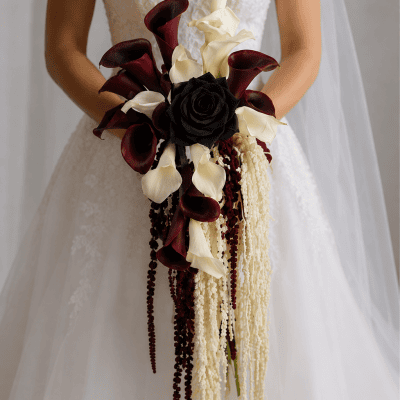
The update is sophistication, not chaos. Brides are choosing creamy whites with mocha and sand tones, soft butter yellow with champagne, terracotta with dusty rose, and deep burgundy paired with lighter blush accents. Even brighter shades are being used with more restraint. Instead of a full rainbow mix, couples are picking one bolder note – coral, saffron, plum, or cherry red – and letting it sharpen the whole palette.
This is especially effective in photos. A controlled color story gives the wedding a clear visual identity. It also keeps bouquets and centerpieces from blending into neutral table linens, stone venues, or desert landscapes.
The return of red, plum, and warm neutrals
Red is no longer reserved for holiday weddings or ultra-traditional events. In 2026, it is showing up in a more polished way – garden roses, ranunculus, and accent blooms in wine, cherry, and oxblood tones. Plum is close behind, especially for evening receptions and fall dates.
Warm neutrals are also gaining ground. Think toffee, caramel, latte, soft peach, and mushroom rather than flat beige. These shades create a luxe look without feeling cold or overly minimal.
Bouquets are becoming more expressive
Bouquet design is moving away from one-size-fits-all round forms. Brides still want polish, but they are asking for bouquets with movement, shape, and a bit more personality.
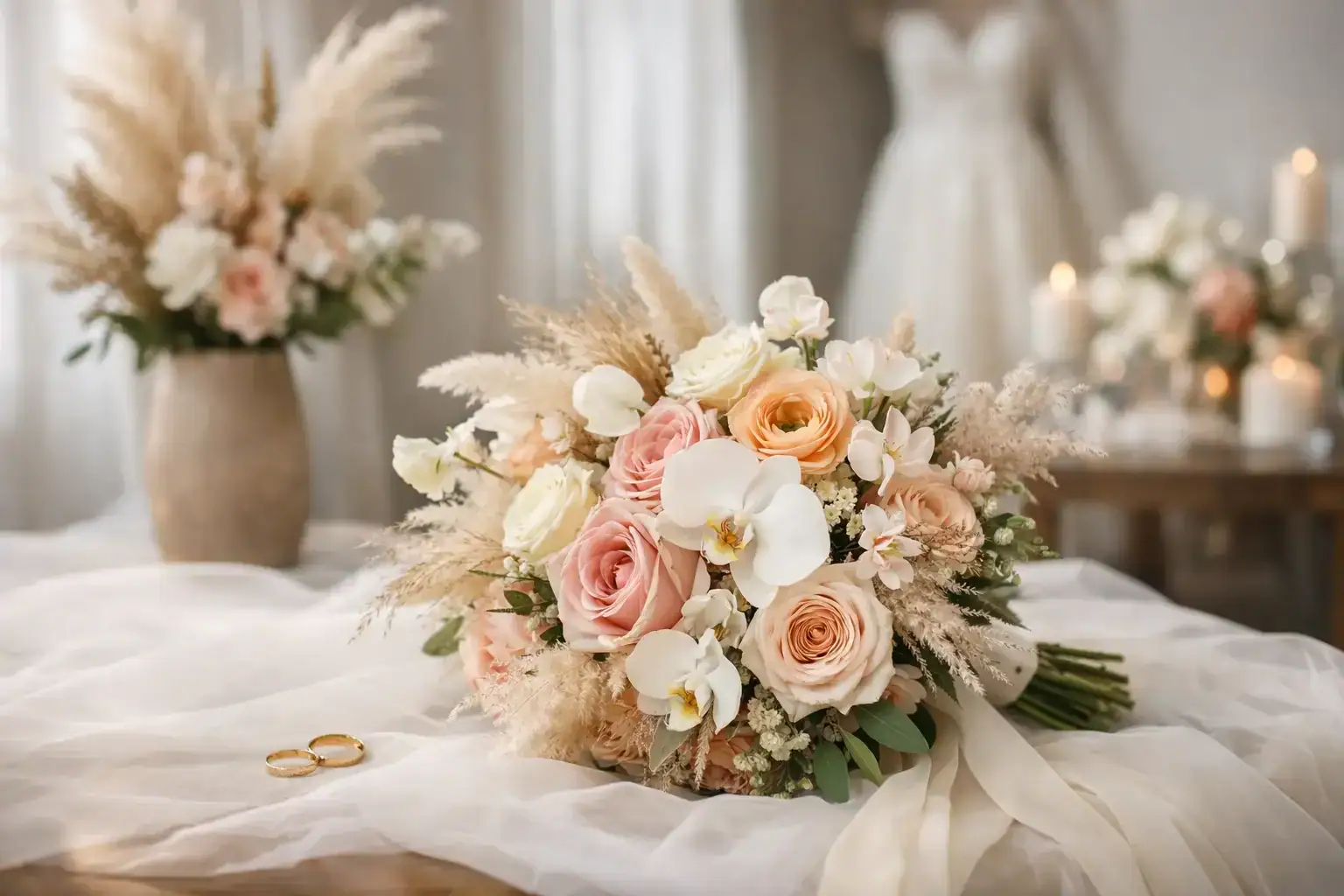
That can mean a tighter bouquet built from premium roses with one standout texture, or a looser shape with orchids, reflexed roses, and trailing elements. The common thread is dimension. Flat bouquets are fading. Layered bouquets with visible texture photograph better and feel more custom.
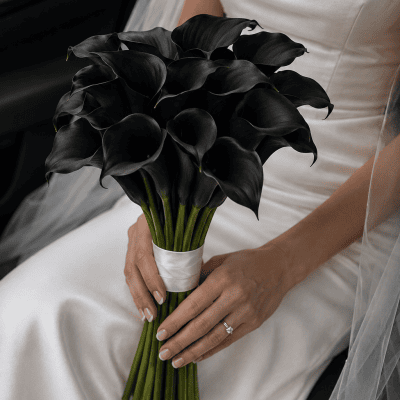
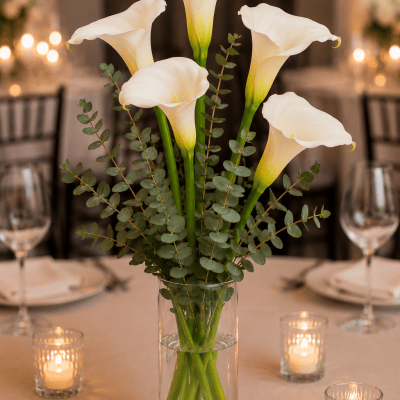
Monobotanical bouquets are also having a moment. A bouquet made primarily of one flower type, like garden roses, tulips, or calla lilies, can look incredibly expensive when executed well. The trade-off is that this style depends on flower quality and stem count. Simplicity works only when the blooms are exceptional.
Luxe ribbon and finishing details matter more
In 2026, bouquet finishing is part of the design, not an afterthought. Brides are asking for silk ribbon, long trailing ties, pearl pins, and wrap styles that feel clean and elevated. These details show up in close photography, and they help connect the bouquet to the dress, jewelry, and overall styling.
Ceremony flowers are designed to move
One of the smartest trends in weddings right now is floral reuse. Couples want a strong ceremony setup, but they do not want to pay for flowers that are seen for twenty minutes and then left behind.
That is why ceremony florals are being designed with a second life in mind. Ground meadows can be broken up and repurposed around the sweetheart table, cake, or DJ booth. Aisle clusters can become bar flowers or accent pieces for the reception. Arch florals can sometimes be repositioned behind the couple for dinner or photos.
This does not mean the design has to look temporary. Done correctly, it looks intentional from the start. It simply requires planning, labor coordination, and a florist who understands event flow.
For couples working with a fixed budget, this is one of the strongest ways to get premium impact without overextending.
Installations are lighter, sculptural, and more architectural
Large floral moments are still in demand, but the style is changing. Full, heavy installations are giving way to cleaner lines, selective floral placement, and sculptural forms.
Hanging arrangements are becoming airier. Floral clouds are staying popular, but with more negative space. Ceremony structures are moving beyond the standard rounded arch. Couples are choosing asymmetrical designs, broken arches, clustered pillars, and aisle framing that feels modern without being stark.
This shift works especially well in contemporary venues and hotel spaces where the room already has visual weight. A more architectural floral installation complements the space instead of fighting it.
There is also a practical advantage. Selective placement can lower stem count while keeping the visual drama. The trade-off is that sparse design only looks expensive when the mechanics, flower choice, and proportions are handled expertly.
Texture is doing more of the work
Texture may be the defining design detail of 2026. Couples want arrangements that feel layered and touchable, not flat or overly matched.
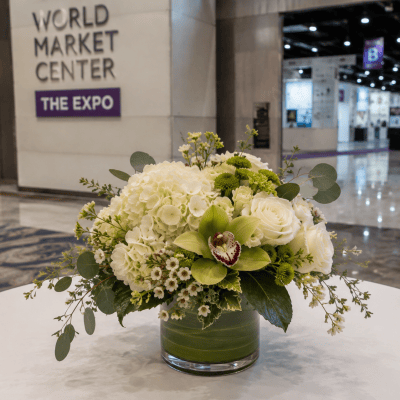
That does not always mean wild or messy. Texture can come from ruffled garden roses, reflexed standard roses, fluffy carnations used in a modern way, orchids, anthuriums, tulips, lisianthus, and smart foliage choices. It can also come from mixing matte and glossy surfaces, dense blooms and open forms, or soft petals against cleaner structural flowers.
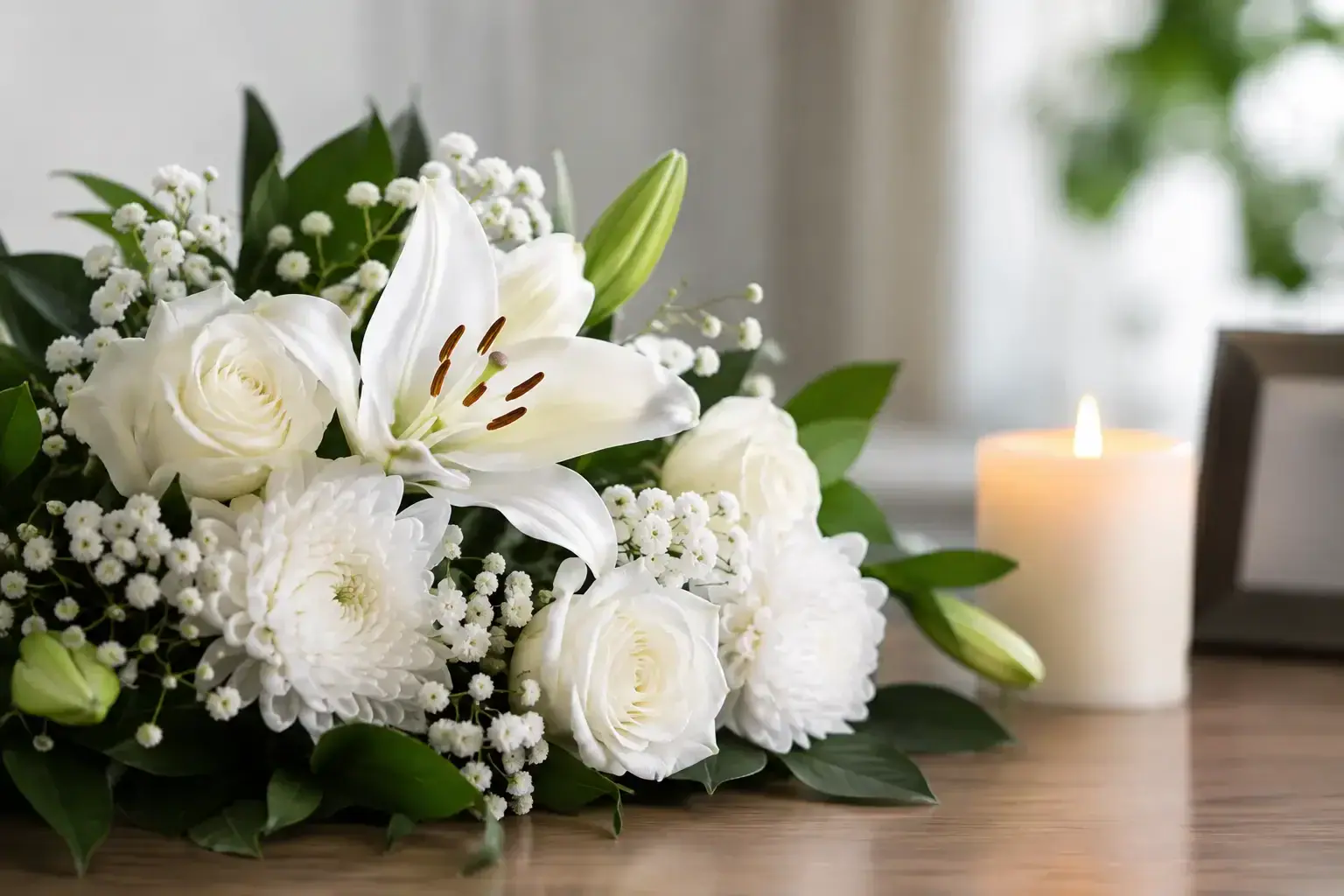
This trend is especially useful when working inside a limited color palette. If the wedding is mostly white or cream, texture keeps it from feeling one-note. That is how a neutral floral plan still looks premium in a luxury ballroom or outdoor ceremony setting.
Reception flowers are splitting into two directions
Reception design in 2026 is not following one rule. It is splitting into two very distinct looks, and both can work beautifully.
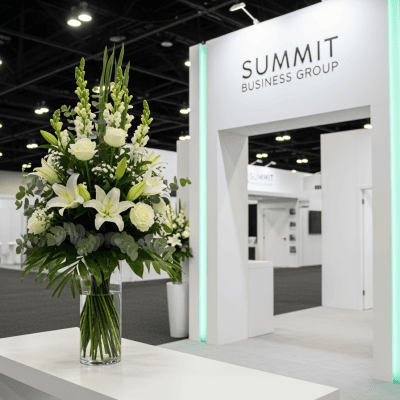
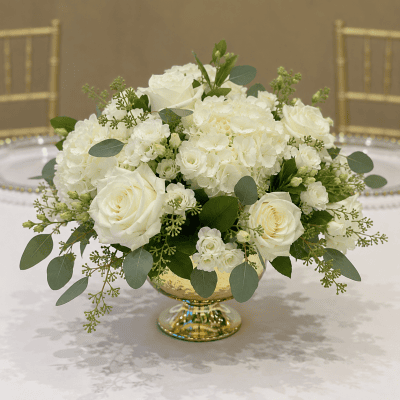
The first is the statement table approach. This leans into taller centerpieces, dramatic vessels, or lush runner-style arrangements that create immediate impact when guests enter the room. It suits formal weddings, larger ballrooms, and couples who want that unmistakable event feeling.
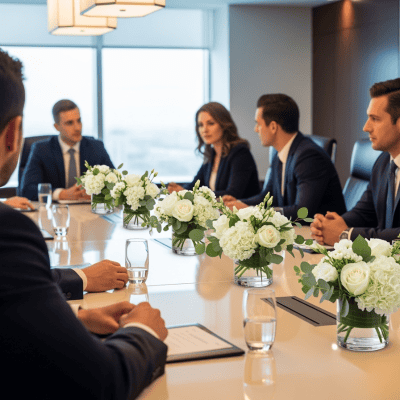
The second is a more editorial, layered table. This uses lower florals, clusters of bud vases, candles, fruit or textural accents, and thoughtful spacing. It feels intimate, stylish, and slightly less traditional. It is especially strong for couples who care about close-up photography and guest conversation.
The choice depends on venue scale, guest count, and budget priorities. Tall arrangements can transform a room quickly, but they require the right proportions and mechanics. Lower layered tables often feel more modern and can stretch the floral budget more intelligently across the room.
Sustainable choices are becoming more realistic
Couples still care about sustainability, but in 2026 they are taking a more grounded approach. Rather than expecting a wedding to be perfectly waste-free, they are making practical decisions that reduce excess.
That might mean prioritizing in-season flowers, repurposing ceremony pieces, choosing designs with less foam, or investing in a few high-impact moments instead of decorating every surface. It can also mean selecting premium permanent pieces for select areas, though that works best when used carefully and mixed with fresh florals where it counts.
For warm-weather markets like Las Vegas and Henderson, sustainability also connects to performance. Flowers that hold up well in heat, transport cleanly, and survive a full event day are not just practical – they help avoid waste.
What couples should ask before choosing a trend
A trend is only useful if it fits the event. Before committing to a look, couples should ask a few straightforward questions. Does this palette work with the venue finishes and lighting? Will these flowers hold up for the season and temperature? Can the ceremony flowers be repurposed? Do we want the flowers to feel timeless in photos five years from now?
That last question matters. The best wedding flower trends 2026 are the ones that sharpen your style, not overpower it. A dramatic red bouquet may be perfect for one bride and completely wrong for another. A sculptural orchid centerpiece can look stunning in a modern hotel and out of place in a rustic garden setting. Good floral design is not about forcing a trend into every wedding. It is about choosing the right ideas and executing them beautifully.
If you are planning a wedding and want flowers that look premium, photograph well, and perform from ceremony to reception, start with your venue, your color story, and the moments guests will remember most. The smartest floral plans are the ones that feel effortless on the day because every detail was handled with purpose.