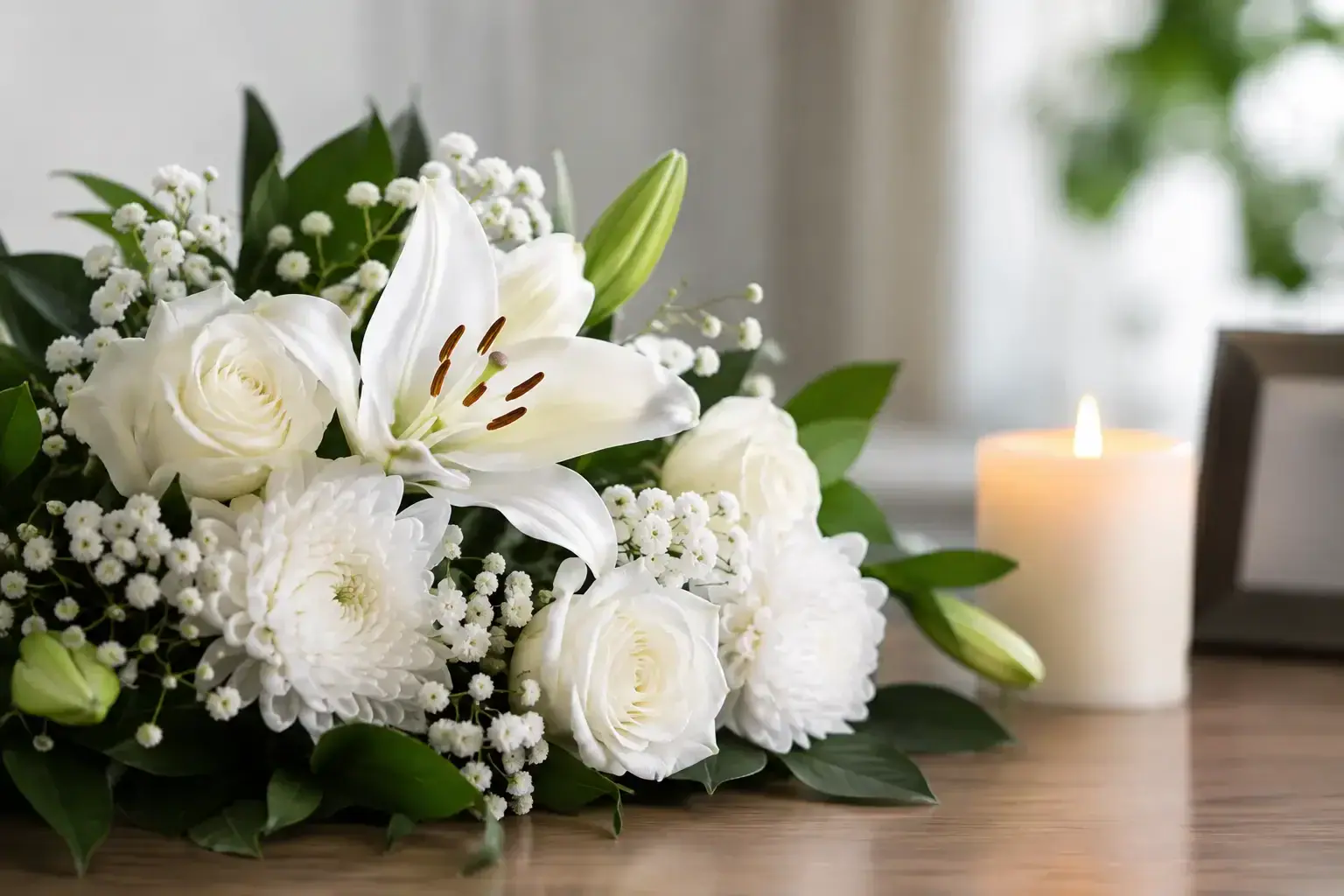
The flowers from your wedding do not stay perfect for long. By the time the dress is zipped away and the cake is gone, your bouquet has already started to change. That is why wedding bouquet preservation options matter most before the wedding day, not after. If you want to keep the look, color, and feeling of your bouquet as closely as possible, the right method depends on timing, budget, and how you want to display it.
A bouquet is not one thing. It is shape, color, texture, and memory all at once. Some preservation methods keep the overall form. Others keep only selected blooms. Some look clean and modern in a frame, while others feel more sculptural and dramatic. The best choice is usually the one that matches both your bouquet style and your home style.
How to choose between wedding bouquet preservation options
Start with one practical question: what exactly do you want to save? If your priority is the full bouquet shape, your options narrow quickly. If you are happy preserving a few standout roses, ranunculus, orchids, or peonies from the arrangement, you have more flexibility.
Your flower varieties make a difference too. Thick-petaled blooms usually dry better than delicate, moisture-heavy flowers. White flowers can ivory over time. Deep reds often dry beautifully. Soft blush tones may shift. Tropical flowers, orchids, and heavily hydrated blooms can be trickier unless they are handled by a specialist.
Timing is the other big factor. Most brides are busy the day after the wedding, but bouquet preservation works best when flowers are transferred fast. Waiting several days in a warm room or hotel suite limits your options and can affect the final result.
Air drying
Air drying is the most familiar method and still one of the most accessible. The bouquet or selected stems are hung upside down in a cool, dry, dark place until moisture leaves the flowers naturally. It is simple, affordable, and sentimental in a very classic way.
This method works best for roses, lavender, statice, strawflower, and other blooms that hold their shape reasonably well. The result is softer, more vintage, and less polished than professional preservation. Colors usually deepen or mute, and petals may curl. If you loved your bouquet for its fresh, lush, just-designed look, air drying may feel like a different version of the flowers rather than an exact keepsake.
Still, that difference is part of the appeal for some couples. Air-dried bouquets have character. They feel romantic, slightly timeworn, and personal.
Pressing flowers
Pressed flowers turn your bouquet into artwork. Instead of preserving the bouquet in 3D form, individual blooms and greenery are flattened and arranged in a frame, often with a clean, editorial look that works beautifully in modern homes.
Pressed preservation is a strong choice if your bouquet included meaningful blooms but you do not need to keep the full hand-tied shape. It is especially good for brides who want something display-ready and low-profile. A framed piece is easier to hang than a full preserved bouquet and often fits more naturally into everyday decor.
The trade-off is obvious – pressing changes the flowers completely. You keep color, silhouette, and some texture, but not the dimensional bouquet form. If your arrangement was prized for movement, layered shape, or dramatic cascading lines, pressing captures the ingredients more than the original structure.
Freeze-drying
If you want the bouquet to look as close as possible to its wedding-day appearance, freeze-drying is often the premium answer. This process removes moisture in controlled conditions while helping flowers maintain more of their original shape and color. It is one of the best options for preserving a fuller bouquet look.
It is also one of the most expensive options, and for good reason. Freeze-drying requires specialized equipment, careful handling, and more time. The final piece is often displayed in a shadow box or dome to protect it from humidity, dust, and damage.
For luxury weddings or highly detailed bouquets, this method can be worth the investment. If your bouquet featured premium roses, peonies, garden roses, or carefully balanced color work, freeze-drying usually gives the most refined result. It is not magic, though. Some color shifting can still happen, and not every flower responds the same way.
Resin preservation
Resin preservation has become especially popular because it turns bouquet flowers into sculptural keepsakes. Flowers can be set into blocks, trays, ring holders, coasters, or decorative shapes. It feels modern, custom, and easy to display.
Resin works best when the flowers are prepared correctly before casting. Whole flowers, petals, and greenery can all be used, but they need to be dried first. The final look can be striking, especially when the bouquet had strong color contrast or statement blooms.
There are a few things to know before choosing resin. First, it preserves selected flowers, not always the full bouquet in its original shape. Second, resin can yellow over time depending on materials, craftsmanship, and light exposure. Third, bubbles, browning, or color shifts are more noticeable when the work is poorly done. This is one category where professional quality matters.
Silica drying
Silica gel drying is a practical middle ground between simple air drying and high-end freeze-drying. Flowers are placed in silica crystals that pull out moisture while helping petals keep more of their shape. Many preservation artists use this method before framing or resin work.
For brides who want to preserve just a few blooms at home, silica can be effective. It generally produces better shape retention than standard drying, especially for roses and similar flowers. The flowers still become more fragile, and the process takes care and patience, but the visual result is often stronger.
This method is less about preserving the bouquet as a finished arrangement and more about saving the best individual elements for later display.
Shadow boxes and display pieces
A preservation method and a display method are not always the same thing. That is where many couples get confused. Freeze-dried flowers may end up in a shadow box. Pressed flowers may go in a frame. Air-dried flowers might be reworked into a dome or mounted display.
If your home leans clean and contemporary, a floating frame with pressed flowers may feel right. If you want a more formal keepsake, a shadow box usually offers the most protection. If you like decorative pieces that still feel functional, resin trays or blocks can be a better fit.
Think about where the bouquet will live. Sunlight, humidity, and dust all affect longevity. A gorgeous preserved bouquet in direct window light will age faster than one displayed carefully indoors.
Which bouquet styles preserve best?
Round bouquets with sturdy focal blooms are usually the easiest to preserve attractively. Roses, spray roses, carnations, chrysanthemums, and some ranunculus tend to adapt well depending on the method. Greenery can dry beautifully, though softer greens may become brittle.
Loose garden-style bouquets can still preserve well, but they often need to be partially reconstructed after drying. Cascading bouquets are harder to replicate exactly unless a specialist handles the process. Bouquets with fresh orchids, calla lilies, or tropical flowers can be preserved, but results vary more and need expert expectations from the start.
This is where working with an experienced wedding florist helps. A well-built bouquet starts stronger, travels better, and gives you better material to preserve. If preservation is part of your plan from day one, mention it when the bouquet is being designed.
What to ask before you book a preservation service
Not all preservation artists offer the same level of work. Ask how quickly they need the bouquet, which flowers preserve best with their process, and what the finished piece will realistically look like. Ask for examples of color change over time, not just fresh finished photos.
You should also ask about turnaround time. Some services take months, especially for custom framed or resin work. Packaging and shipping matter too. In a warm climate like Las Vegas, flowers left in a car or delayed too long after the event lose quality fast, so handoff plans should be clear.
Price should be transparent from the start. Premium preservation is labor-intensive, and custom display formats add cost. It is better to know whether you are paying for a small keepsake made from a few petals or a full bouquet presentation built to last.
The best choice depends on what you want to remember
Some brides want an exact visual reminder of the bouquet they carried. Others want a refined art piece made from the flowers that marked the day. Those are different goals, and the right preservation method changes with them.
If you want the closest match to the original bouquet, freeze-drying is usually the strongest option. If you want elegant wall art, pressed flowers are hard to beat. If you want something sculptural and modern, resin may be the better fit. If you want a simple sentimental keepsake without a major investment, air drying or silica drying can work beautifully.
The smartest move is deciding early. Your bouquet only has one fresh moment, and preservation starts the minute that moment ends. If you are planning a wedding and already thinking beyond the ceremony, that is a good sign. The flowers were chosen with care. Saving them should be too.
When your bouquet is designed for the day and preserved for the years after, it becomes more than a wedding detail. It becomes one of the few pieces of the celebration you can keep in plain sight.